Stepping into the competitive academic world as an early career researcher can feel incredibly intimidating when you lack established professional connections. One of the biggest hurdles fresh PhD graduates face is successfully finding senior co-authors to help elevate their initial scholarly publications. Sending out countless emails to busy professors often leads to crushing silence and massive anxiety for young academics. Instead of begging for attention, junior scholars need a smarter way to showcase their immense scientific value to the world.

The traditional academic hierarchy often makes it feel absolutely impossible to bridge the massive gap between eager post-docs and tenured experts. Fortunately, modern digital platforms are rapidly changing the rules of engagement for finding senior co-authors in today’s fast-paced environment. By focusing strictly on shared research interests and data, you can easily bypass the terrifying cold outreach phase entirely. It is time to learn how to confidently navigate this landscape and forge powerful academic alliances that propel your career forward.

Many junior researchers waste weeks crafting the perfect introductory email, only to have it completely ignored by a busy department head. The traditional process of finding senior co-authors heavily relies on sheer luck, perfect timing, and hoping your message avoids the spam folder. Eliminating cold outreach from your strategy instantly reduces your stress and prevents massive professional burnout early in your career. By leveraging dedicated academic networks, you can directly connect with mentors who are actively looking for fresh, talented partners.

In the rigid world of academia, junior scholars often feel like they have nothing to offer highly decorated, tenured university professors. However, the secret to finding senior co-authors is realizing that veteran researchers desperately need your modern technical skills and raw datasets. Platforms like Researchmate completely level the playing field by matching users based on actual scientific needs rather than fancy institutional titles. This highly logical approach ensures that your valuable contributions are respected right from the very first professional interaction.

Moving from a guided academic program to independent professional research requires a massive psychological shift in how you view your own abilities. When finding senior co-authors, you must actively position yourself as a highly capable peer rather than just another needy graduate student. It is incredibly helpful to review the dynamics of research partnerships in PhD or Masters study to deeply understand this vital career transition. Shedding your student mindset allows veteran academics to view you as a highly valuable, equal contributor to the scientific community.

Before an established expert will agree to collaborate with you, they will immediately search for your credentials and past work online. The most crucial proactive step in finding senior co-authors is to build a strong academic researcher profile that highlights your specific modern expertise. A polished digital portfolio acts as a powerful magnet that attracts high-level academics directly to your unique technical skill set. This modern approach ensures you always make a spectacular first impression without ever sending a single desperate introductory email.
Attending crowded annual science conferences is an incredibly expensive and highly inefficient way to meet potential academic mentors for your next paper. When comparing this traditional networking method vs Researchmate, it becomes glaringly obvious that digital platforms offer a much smarter path for finding senior co-authors globally. Utilizing smart digital matchmaking saves you thousands of dollars while guaranteeing precise connections with highly relevant scholars in your niche. You can finally stop wandering aimlessly around massive convention halls and start building meaningful professional relationships from your own home.

You absolutely do not need to be securely employed by a prestigious Ivy League university to collaborate with the brightest minds today. For independent scholars, learning how to publish a paper without an academic affiliation is deeply intertwined with successfully finding senior co-authors online. Digital collaboration tools empower independent researchers to actively contribute to major global studies based purely on their actual scientific merit. This wonderfully inclusive digital environment completely destroys the outdated institutional barriers that usually hold brilliant junior scientists back from success.

Veteran professors are incredibly busy people, so they only invest their precious time in projects that directly advance their own academic agenda. The absolute fastest route to finding senior co-authors is perfectly aligning your raw data with their ongoing, long-term scientific objectives. Establishing shared goals as the most important factor for successful collaborations guarantees that both parties remain highly motivated throughout the entire drafting process. When your proposed project solves a difficult problem the senior academic is already working on, they will eagerly join your team.

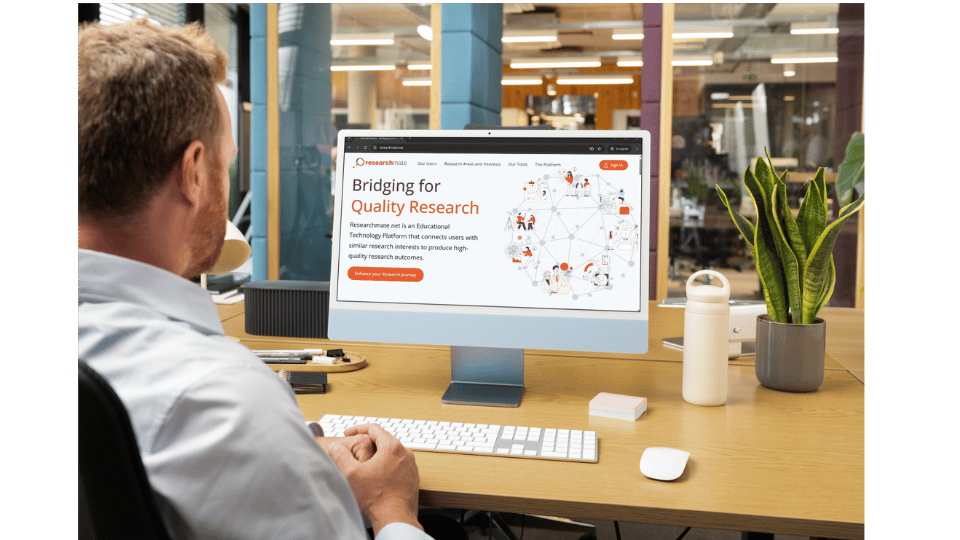
Manually scrolling through endless university faculty web pages to locate a willing academic mentor is a completely outdated and deeply frustrating process. By finding your research partner with Researchmate, you can let advanced algorithms instantly connect you with experts who need your precise analytical skills. This incredible technology makes finding senior co-authors entirely effortless by beautifully matching complementary datasets and mutual, long-term research interests. You can immediately skip the awkward introductions and dive straight into producing world-class scientific literature alongside seasoned professionals.

Working closely with established academic giants can sometimes lead to very confusing power dynamics regarding who gets ultimate credit for the manuscript. When finding senior co-authors, you must clearly understand the strict ethical differences in authorship versus contributorship to fiercely protect your own career. Having open, honest conversations about publication credit early on prevents devastating misunderstandings and builds immense, lasting professional trust. This ethical clarity ensures that your grueling hard work as a junior researcher is always rightfully and globally acknowledged.
Unfortunately, some vulnerable junior scholars are heavily pressured into giving unearned credit to department heads just to get their papers safely published. You must actively educate yourself about ghost or gift authors in co-authorship to permanently avoid these highly unethical, career-damaging academic traps. The safest method of finding senior co-authors is utilizing verified platforms that strictly enforce transparent, highly ethical collaboration standards for everyone. Standing your ground on these important ethical issues earns you massive long-term respect from truly honorable veteran academics everywhere.

Even when you successfully connect with a brilliant mentor, poor communication and clashing working styles can quickly ruin a promising new project. Implementing best global collaboration hacks will keep your massive interdisciplinary project running flawlessly across different international time zones. Successfully finding senior co-authors means absolutely nothing if you cannot professionally manage the ongoing working relationship through strict organizational habits. Setting crystal clear deadlines and utilizing digital workspaces ensures your veteran partner remains highly impressed with your reliable leadership skills.
Once a veteran researcher happily agrees to partner with you, the last thing you want is to awkwardly fumble the initial administrative setup. Hence, by utiliting Researchmate.net platform, you can easily create a new project using AI or manual digital tools to drastically simplify the onboarding process for your busy new partner. Providing a seamless, beautifully organized digital workspace immediately proves to your mentor that you are a highly competent, modern professional. Finding senior co-authors becomes much easier when you consistently demonstrate that working with you is a completely stress-free experience.
Some of the most lucrative academic mentorships happen when you step completely outside your comfortable scientific silo to work with entirely different fields. Learning ways to master interdisciplinary co-authorship makes you an incredibly attractive partner to senior scientists looking for fresh, highly innovative perspectives. Combining your modern data science skills with a veteran doctor’s clinical medical expertise creates an unstoppable, highly cited publication team. Finding senior co-authors in adjacent fields drastically broadens your academic horizons and supercharges your overall, long-term career trajectory.
Partnering with an established, highly respected name in your industry is one of the absolute best ways to skyrocket your personal academic metrics. These co-authorship will bring positive impact on citations, as senior mentors bring their massive, pre-existing audiences directly to your brand new paper. Finding senior co-authors allows you to ethically piggyback on their vast networking reach to rapidly elevate your own personal h-index. This strategic approach ensures your brilliant early-career research never gets sadly buried in the overwhelming sea of obscure academic journals.
The biggest mistake early career researchers consistently make is assuming that highly experienced professors are doing them a massive favor by collaborating. In reality, finding senior co-authors is a mutually beneficial exchange where your youthful energy and modern techniques aggressively drive the research forward. When you truly recognize the massive worth of your own hard work, you naturally attract high-level scholars who respect your fierce dedication. Embrace your unique scientific strengths and confidently step into the highly rewarding modern era of seamless, digital academic collaboration today.
Surviving the intense pressure of your early academic career does not require sending hundreds of desperate, unanswered emails to unresponsive university department heads. By utilizing smart digital platforms, finding senior co-authors becomes a highly strategic, data-driven process based entirely on mutual professional respect and shared goals. Embracing these modern networking tools will instantly shatter outdated academic silos and seamlessly connect you with the brilliant mentors you truly deserve. Stop waiting for institutional permission to succeed, and start proactively building your ultimate scientific dream team on the internet right now.