
The heart of modern academic discovery lies within the deeply personal stories that individuals share about their lived experiences. Researchers are increasingly turning to first-person data to capture the raw, emotional truth that numbers and statistics often overlook during a standard study. By treating these narratives as a primary source of knowledge, you can unlock a world of deep meaning that makes your work stand out in a crowded field. Whether you are exploring personal growth or social change, these stories are the keys to a more empathetic and impactful future.

Narrative inquiry is a fantastic way to collect first-person data because it treats the entire life story of a participant as a valuable unit of analysis. Instead of looking for short answers, you allow the storyteller to guide you through their personal timeline and emotional milestones. This method helps you understand the “why” behind human actions in a way that standard surveys simply cannot reach. It is a brilliant approach for anyone conducting qualitative research who wants to find the soul within the data.

In this unique style of research, you become the primary source of first-person data by analyzing your own cultural and social experiences. Autoethnography allows you to be both the researcher and the participant, providing an insider’s view that is incredibly rare and powerful. This approach is perfect for breaking down the mental block in research paper writing because you are writing about what you know best. It turns your personal journey into a legitimate academic contribution that can inspire others.

By listening to individual voices, you can often find a conceptual gap where traditional theories fail to explain a specific human experience. First-person data acts as a spotlight, revealing the nuanced contradictions in current academic thinking that need to be addressed. When a story doesn’t fit the “mold” of existing literature, you have found a golden opportunity for a new study. This is how you develop research objectives that truly challenge the status quo.

To gather high-quality first-person data, you must master active listening skills to make your participants feel safe and respected. Showing genuine interest in their story encourages them to share the vulnerable details that lead to the most profound research insights. When a participant feels like they are being heard, the quality of the information they provide skyrockets. In qualitative research, this bond is the single most important instrument you will ever use.
Once you have collected hours of storytelling, you can use first-person data to spot recurring motifs and patterns across different individuals. By performing a rigorous research analysis, you can group these stories into meaningful categories that support your overall thesis. This process turns a collection of messy, personal anecdotes into a structured and logical argument. It is the best way to prove that individual experiences point toward a much larger social reality.
You can strengthen the validity of your first-person data by comparing it against secondary data like historical records or existing statistics. This allows you to show how a single person’s story fits into the broader historical context of the time. While the story provides the “heart,” the secondary records provide the “skeleton” that holds your research together. Balancing personal narrative with objective data is the hallmark of comprehensive research methodology.
When working so closely with first-person data, it is easy for your own opinions to accidentally color the way you interpret a story. You must practice constant self-reflection to ensure that you are representing the participant’s voice accurately and fairly. This level of honesty is vital for maintaining academic integrity and avoiding any unintended ethics violations. Keeping a reflexivity journal helps you stay grounded and objective throughout the entire process.
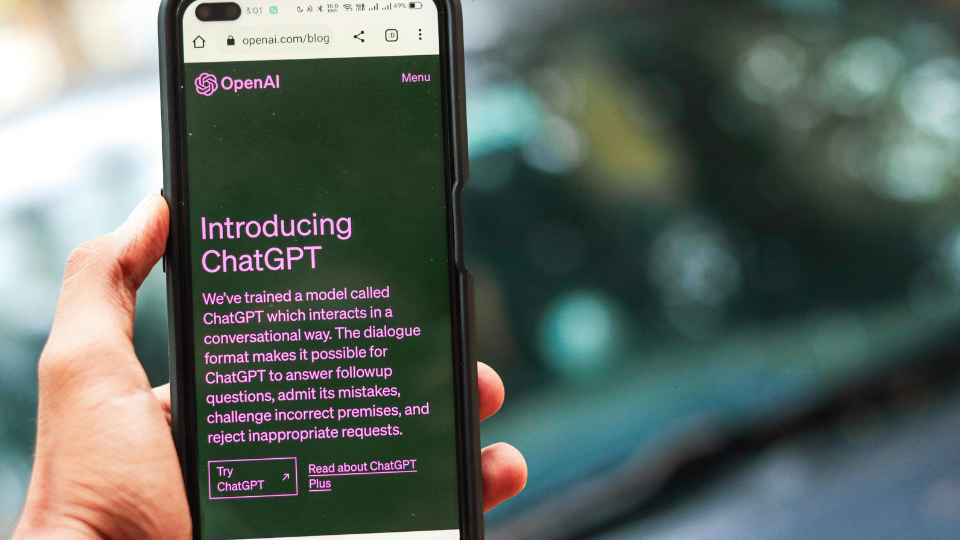
Modern technology can help you manage large amounts of first-person data by using AI tools to transcribe audio files in minutes. These tools can also help you tag key emotions or keywords, making it much easier to find the exact quote you need for your conclusion. This allows you to spend less time on tedious manual labor and more time on high-level thinking. It is a great way to accelerate research publication without losing the human touch.
Instead of forcing a story into an old model, use your first-person data to help build a brand-new theoretical framework. This “bottom-up” approach ensures that your theory is deeply rooted in reality rather than just abstract concepts. When your framework is built from real human voices, it carries a weight of authority that reviewers and editors will notice. This is how you elevate your study from a simple report to a piece of research that makes a lasting impact.
The final way to honor first-person data is to present your results in a way that preserves the emotional power of the original stories. Use direct quotes and vivid descriptions to make your readers feel the same impact you felt during the data collection phase. Presenting your findings with this level of empathy transforms standard academic reporting into work that genuinely sticks with your audience.

Sometimes, a story needs a visual nudge to come to life during the interview phase of your project. You can ask participants to bring in personal photos and tell the story behind them, which provides a rich layer of first-person data. This technique is one of the most creative research instruments in qualitative research because it taps into the subconscious and triggers vivid emotional details.
In 2026, the internet is a goldmine of pre-existing stories found in blogs, forums, and social media testimonials. You can treat these digital entries as first-person data by performing “Netnography,” which is a form of qualitative research that observes people in their natural online habitats. This allows you to collect data without the participant being influenced by the presence of a researcher, ensuring authentic digital voices are heard.
Instead of a single interview, try capturing first-person data over a longer period to see how a person’s story changes as they grow. This ‘Life History’ approach provides a vital framework for understanding the complexities of long-term human development. It provides a big picture view of how external social events impact an individual’s personal internal narrative over many years.
Ask your participants to keep a daily log or voice memo diary for a week to capture first-person data in the exact moment experiences happen. This prevents recall bias, where people forget details or change their stories after the event has passed. It is a highly effective way to gather primary data that is fresh, raw, and incredibly honest.
15. Cross-Check Narratives for Collaborative Validation
If you are studying a shared event, you can collect first-person data from multiple people who were there to see how their stories overlap or differ. This doesn’t mean one person is “wrong”; instead, it helps you understand the multi-dimensional nature of truth. This technique is a form of triangulation in research that adds incredible depth and weight to your final analysis.
Harnessing the power of first-person data is a transformative journey that allows you to see the world through the eyes of others. By treating narratives and personal histories as valid scientific evidence, you bridge the gap between cold academia and the warmth of the human experience. As you move forward in your studies, remember that every story has the potential to spark a new discovery or solve a long-standing mystery. With these fifteen amazing strategies, you are now equipped to turn personal voices into a powerful force for global knowledge!