Did you know that the secret to a sharper mind might actually be hiding inside your stomach? Many people are completely surprised to learn that your digestive system directly influences how you think and feel every single day. The relationship between gut health and cognitive function is a rapidly growing field of science that changes everything we know about human biology.
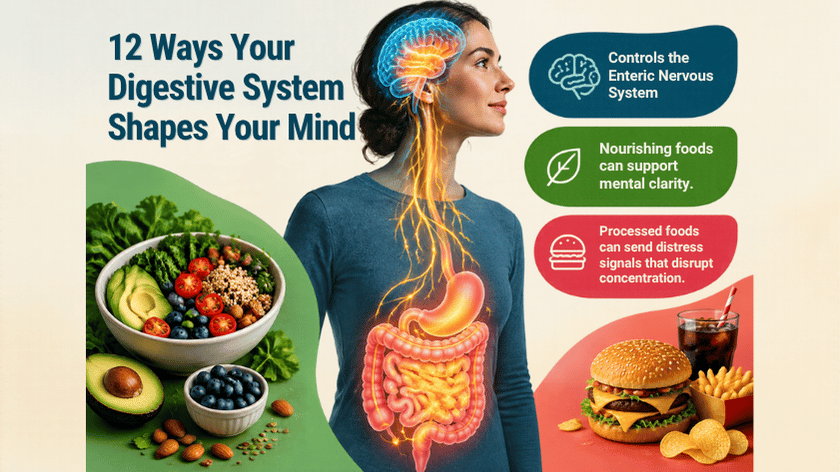
By understanding this incredible biological connection, you can unlock better focus and mental clarity without relying solely on caffeine. We traditionally view intelligence as something strictly confined to the brain located safely inside our heads. However, modern research shows that our mental capabilities are distributed throughout our entire body, especially within our digestive tract. Optimizing your gut health and cognitive function means realizing that true mental sharpness requires taking care of your physical systems first.
While the brain inside your skull gets all the credit, you actually have a second brain located entirely within your digestive tract. This complex network consists of hundreds of millions of neurons lining your gut that communicate constantly with your mind. Because of this direct dialogue, what happens in your belly heavily dictates your mental state and overall daily performance.
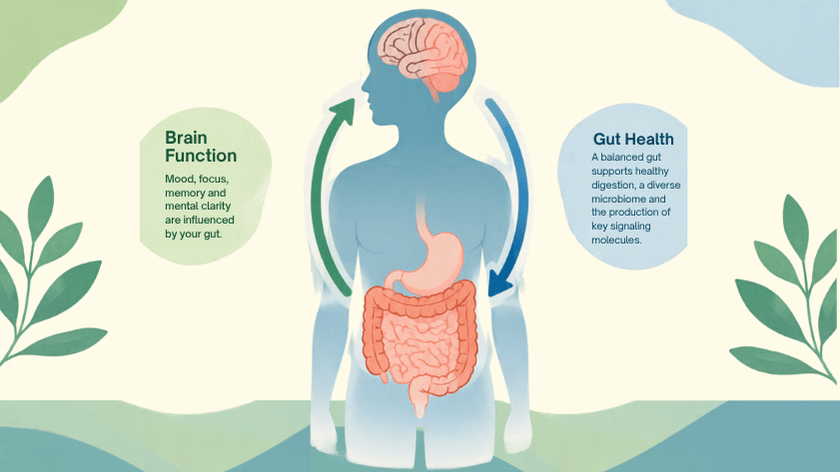
This massive internal nervous system makes gut health and cognitive function intimately connected at a profound biological level. When you eat nourishing foods, these digestive neurons send positive signals upward to enhance your mental clarity. Conversely, a diet full of processed junk sends distress signals that can easily ruin your concentration for the day.
The primary communication channel between your stomach and your head is a massive biological wire called the vagus nerve. This incredible nerve acts as a two-way superhighway that transmits physical and chemical signals constantly between these two vital organs. Keeping this nervous pathway healthy ensures that positive signals reach your brain to promote clarity rather than anxiety. It is the main reason why gut health and cognitive function are so closely linked during stressful situations.
Have you ever felt “butterflies” in your stomach before a big presentation or exam? That sensation is the vagus nerve in action, proving that your emotional state directly impacts your digestive system. By soothing your stomach, you can actively calm your mind and improve your ability to think clearly under pressure.
Most people assume that serotonin, the famous “happy chemical,” is manufactured exclusively inside the brain to regulate our moods. Surprisingly, about ninety percent of your body’s serotonin is actually produced inside your gut by your resident beneficial bacteria. This startling fact highlights how deeply gut health and cognitive function are intertwined when it comes to maintaining emotional stability. Without a balanced microbiome, your body struggles to produce enough serotonin to keep you motivated and resilient.
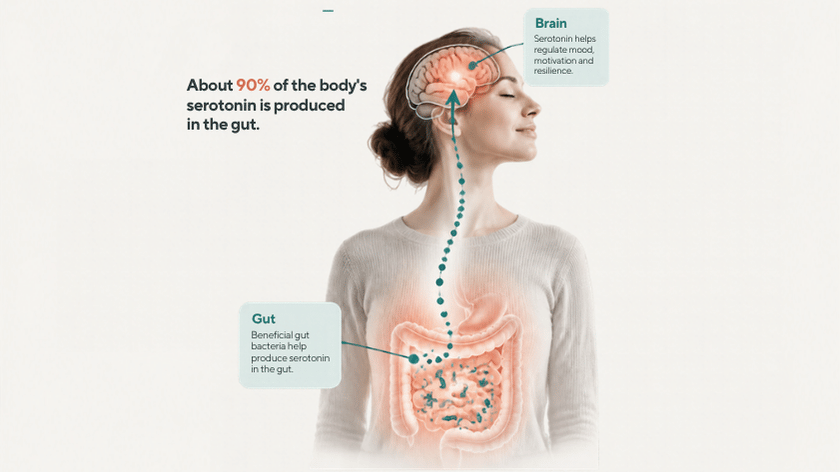
A lack of this vital neurotransmitter can lead to sudden mood swings that destroy your concentration during work or study sessions. By eating foods that support your microbiome, you ensure a steady supply of serotonin flows directly to your brain. This natural chemical boost helps you maintain a positive mindset, which is one of the most critical cognitive factors in study and professional success.
Dopamine is another critical neurotransmitter responsible for feelings of reward, motivation, and the ability to maintain intense concentration. Your intestinal bacteria play a massive role in synthesizing this chemical, directly impacting your daily drive to learn and work. When examining gut health and cognitive function, low dopamine levels tied to poor digestion often result in severe procrastination. Therefore, a happy stomach naturally provides the chemical motivation needed to tackle complex tasks without feeling overwhelmed.
If you constantly struggle to start difficult projects, the root cause might simply be an unhappy digestive tract. Feeding your beneficial bacteria gives your body the raw materials it needs to spark your natural drive and ambition. A flourishing microbiome acts as an internal motivation engine that keeps your thoughts clear and steady all day long.
Gamma-aminobutyric acid, commonly known as GABA, is the primary chemical responsible for calming down an overactive or anxious nervous system. Certain strains of beneficial gut bacteria actually produce GABA, helping to soothe your mind during stressful situations or tight deadlines. By prioritizing your gut health and cognitive function, you provide your body with a powerful, natural defense against paralyzing anxiety.
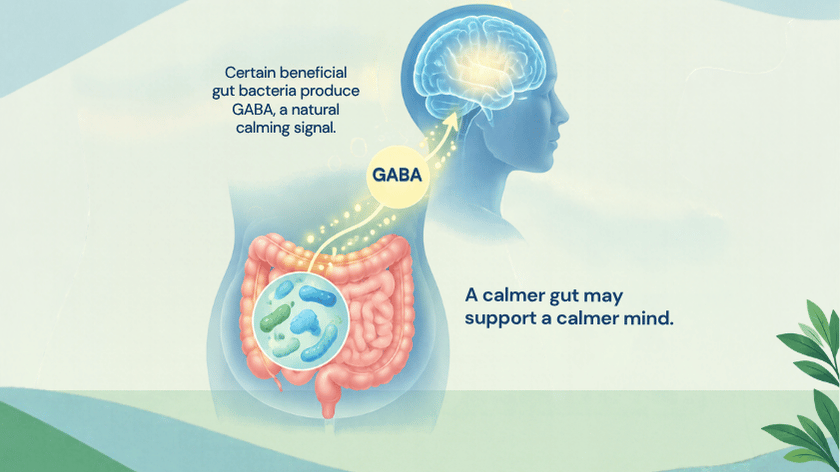
When your stomach is upset, your body simply cannot produce enough GABA to keep you relaxed and focused. This chemical shortage explains why digestive distress often goes hand in hand with racing thoughts and intense worry. Nourishing your microbiome ensures your internal stress-relief system remains fully operational when you need it most. Ultimately, a calm stomach is the foundation of a wonderfully calm and collected mind.
When the lining of your intestines becomes damaged from a poor diet, harmful toxins can easily leak into your bloodstream. This condition triggers an aggressive immune response that causes systemic inflammation throughout your entire body and brain. This widespread inflammation severely damages the link between gut health and cognitive function, leading to significant mental hurdles.
Protecting your intestinal lining is absolutely crucial for keeping harmful toxins away from your sensitive neural pathways. Chronic neuroinflammation slows down the speed at which your brain cells communicate with one another. By healing your digestive tract, you effectively put out the internal fires that slow down your processing speed.
Brain fog is a frustrating sensation characterized by confusion, forgetfulness, and a profound inability to concentrate on simple tasks. This mental cloudiness is frequently caused by the aforementioned inflammation, which originates straight from an unhappy digestive system. By improving your gut health and cognitive function, you can actively reduce this swelling and clear away the frustrating mental fog. Healing your stomach is often the most effective cure for persistent feelings of mental sluggishness and fatigue.

Have you ever tried to study while feeling bloated, tired, and mentally clouded? Exploring various cognitive factors in study reveals that maintaining physical well-being is just as important as reading the textbook. A healthy digestive system creates an ideal internal environment for absorbing and retaining difficult academic material effortlessly.
When your brain is subtly inflamed due to digestive distress, your prefrontal cortex struggles to operate at its full capacity. This specific brain region is responsible for logic and planning, meaning inflammation directly leads to impulsive and poor decision-making. Understanding the tie between gut health and cognitive function explains why we often make bad choices when we feel physically unwell. Keeping your internal ecosystem calm ensures that you retain the logical clarity needed to navigate complex daily challenges.
Have you ever noticed that you make poor dietary or financial choices when you have an upset stomach? Your inflamed brain literally loses its ability to weigh long-term consequences against short-term gratification. A balanced microbiome gives your prefrontal cortex the energy it needs to keep you making smart, rational decisions.
It is not just what you eat that matters, but also how well your body breaks down and absorbs those nutrients. Poor digestion means your brain does not receive a steady supply of glucose, leading to massive energy crashes in the afternoon. Stabilizing your blood sugar through proper digestion directly supports your gut health and cognitive function all day long. Establishing consistent eating habits helps prevent these mid-day slumps and keeps your mind remarkably sharp until the evening.
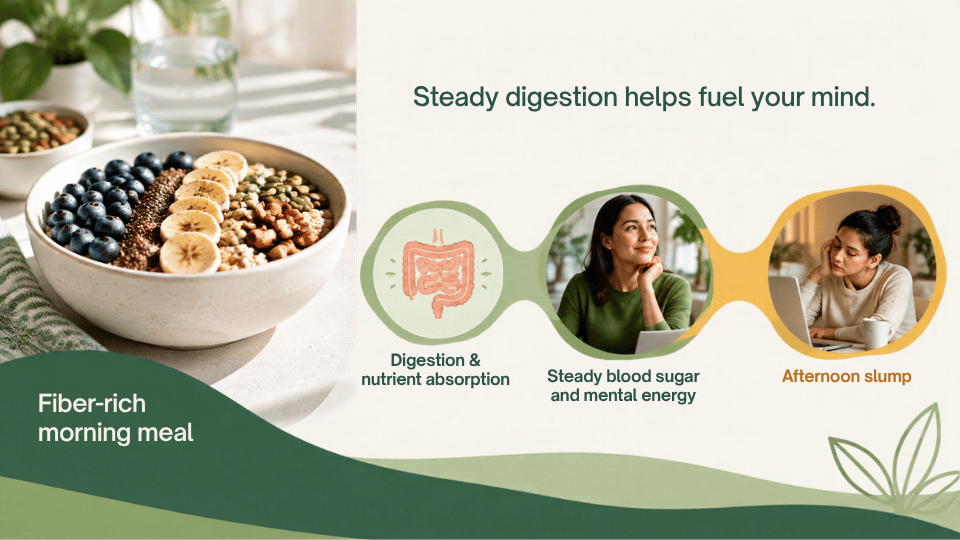
A great way to start this process is by focusing on your very first meal of the day. Understanding the impact of breakfast on brainpower can completely change how you approach your morning routine and energy management. A nutritious, fiber-rich morning meal sets a positive digestive tone that fuels your concentration for hours on end.
Probiotics are live beneficial bacteria found in fermented foods like yogurt, kefir, kimchi, and sauerkraut that can transform your well-being. Consuming these foods regularly introduces fresh armies of helpful microbes into your system, rapidly improving your ability to focus and learn. Many professionals find that prioritizing gut health and cognitive function through probiotic foods gives them a noticeable mental edge. Incorporating these natural superfoods into your diet is a simple yet powerful way to upgrade your daily brainpower.
You do not need expensive supplements to reap the benefits of these incredible microscopic helpers. Simply adding a serving of fermented foods to your lunch can dramatically alter your internal ecosystem for the better. Over time, this dietary habit builds a resilient microbiome that supports fast, fluid, and creative thinking.
High levels of chronic physical or mental stress can literally alter the composition of your microbiome in a matter of hours. Engaging in regular physical activity is an excellent way to combat this, as movement naturally lowers harmful stress hormones. In fact, the cognitive benefits of aerobic exercise are deeply intertwined with maintaining a healthy digestive system. Movement protects the delicate balance of gut health and cognitive function from rapid degradation caused by daily anxieties.
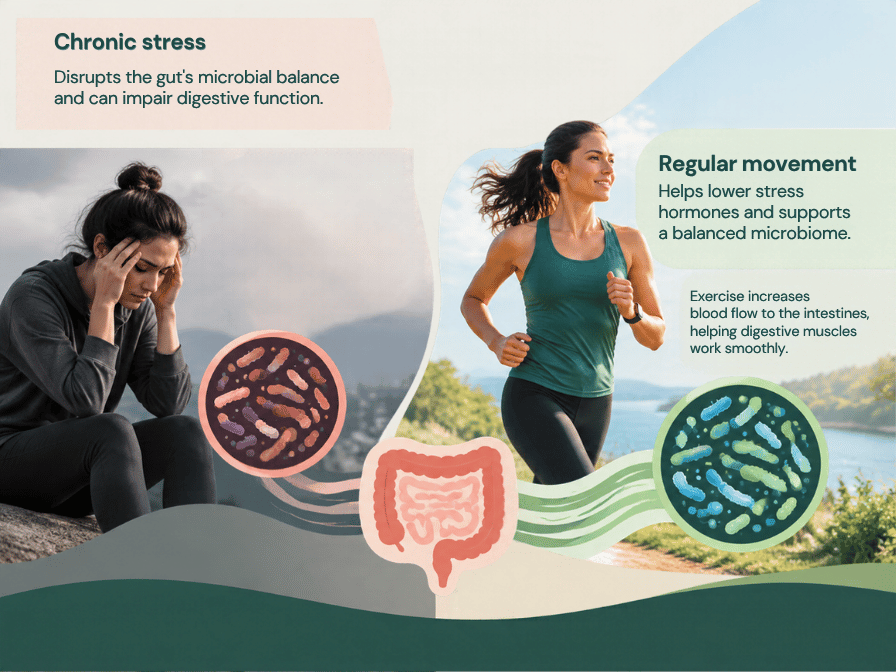
Breaking a sweat increases blood flow to your intestines, which helps keep your digestive muscles functioning smoothly and efficiently. Finding time to exercise is just as important for your stomach as it is for your heart and lungs. A strong, active body naturally fosters a robust internal environment where beneficial bacteria can easily thrive and multiply.
Rebuilding a damaged microbiome is not something that happens overnight after eating a single serving of healthy vegetables. It requires weeks or even months of consistent dietary choices to permanently alter your internal bacterial landscape for the better. True improvements in gut health and cognitive function only reveal themselves when you commit to long-term lifestyle changes. By staying patient and consistent, you will eventually experience a profound and lasting upgrade in your mental clarity.
Taking control of your diet often requires intentional planning rather than relying on convenient but unhealthy fast food options. By utilizing smart healthy meal planning strategies for busy individuals, you can ensure your fridge is always stocked with brain-boosting ingredients. Consistently eating home-cooked meals saves you time while simultaneously fueling your brain with the highest quality nutrients available. This proactive approach is the ultimate secret to maintaining a sharp, focused, and healthy mind as you age.
The connection between your digestive system and your mind is undeniably one of the most fascinating discoveries in modern medicine. We now know that nourishing your body correctly is the ultimate biological hack for unlocking superior intelligence and emotional resilience. Focusing heavily on gut health and cognitive function gives you a tangible, scientifically proven way to elevate your daily life. By taking care of your microscopic helpers, they will tirelessly take care of your brain for years to come.









1 Comments