In the digital landscape of 2026, Artificial Intelligence is the invisible engine driving everything from personalized streaming playlists to high-stakes medical breakthroughs. However, a common mistake is viewing AI as a single, monolithic entity. Just as there are different types of engines for different vehicles, there are various types of artificial intelligence designed for specific tasks and levels of complexity.
Understanding these distinctions is vital for students, researchers, and tech enthusiasts alike. To get a foundational grasp of how these systems come to life, exploring the roles of computer engineering in artificial intelligence is essential. It is the sophisticated interplay between specialized hardware and algorithmic software that allows these machines to mimic human cognition. This guide breaks down the different categories of AI, moving from basic reactive systems to the groundbreaking agentic models currently reshaping the industry.

Also known as Weak AI, this is the only type of AI that exists in the real world today. These systems excel at a single, predefined task, such as translating a language or recommending a product. While ANI can process data at speeds impossible for humans, it lacks the flexibility to apply its knowledge to unrelated fields. This limitation is a central point in the ongoing discussion regarding artificial intelligence versus human intelligence, as human beings possess an innate ability to cross-apply logic and emotion across diverse situations.
Often called Strong AI, AGI represents a theoretical milestone where a machine possesses the ability to understand, learn, and apply knowledge across any intellectual task a human can. While the world has not reached this stage, the rapid evolution of Large Language Models has sparked speculation. Many experts are looking toward future iterations like ChatGPT-5 to see if they will serve as the final bridge between narrow tasks and generalized reasoning.
ASI describes a future point where AI surpasses human intelligence in every possible metric, including scientific creativity, social wisdom, and strategic planning. While this concept remains in the realm of theory, understanding these types of artificial intelligence helps prepare society for the long-term ethical and safety implications of such power.
In 2025, a new category has emerged that sits between Narrow and General intelligence: Agentic AI. Unlike traditional models that only respond when prompted, agentic systems are proactive. They can set sub-goals, use external tools, and independently navigate complex workflows to achieve a broad objective. This shift from passive tools to active agents is the most significant trend in the current technological landscape.
While capability looks at “how smart” a system is, functionality looks at how it works.
Reactive machines are the most primitive form of AI. These systems do not store memories or use past experiences to inform future actions. They operate on a simple input-output model. A classic example is a basic chess computer that evaluates the current board state and chooses the best move based only on that snapshot. It does not remember the player’s previous moves or learn from past losses.
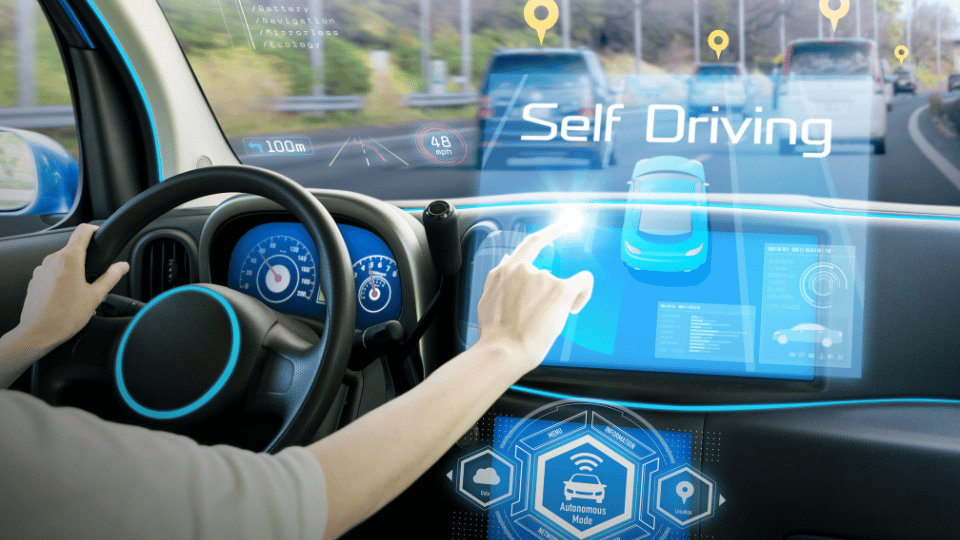
Most modern AI systems, including self-driving cars and chatbots, utilize Limited Memory functionality. These machines can store and recall data over a short period to make better decisions. This functionality has massive implications for academia and advanced scholarship. For example, the use of AI in thesis writing for PhD students relies on the system’s ability to recall and synthesize thousands of pages of academic literature. These tools help researchers identify subtle gaps in existing studies and draft preliminary frameworks by processing vast historical datasets that no human could read in a single lifetime.
The impact of Limited Memory AI extends to the earliest stages of learning as well. The implementation of artificial intelligence in childhood education allows for personalized learning paths. These platforms track a child’s progress over time, remembering which math concepts caused struggle and which were mastered quickly. By analyzing this historical data, the AI can adjust the difficulty level in real-time to keep the student engaged and supported.
This stage of functionality is still largely under development. The goal is to create machines that can understand that humans have thoughts, feelings, and intentions that affect their behavior. If a machine is to coexist naturally with humans, it must be able to read the room and adjust its tone based on the emotional state of the user. Because this involves processing sensitive psychological data, researchers must strictly adhere to the ethics of AI in research to prevent the manipulation of human emotions for commercial or political gain.
This is the final and most advanced of the types of artificial intelligence. A self-aware machine would possess its own consciousness and an internal sense of self. It would not only understand human emotions but would have its own feelings and needs. While this remains a staple of science fiction, it serves as the ultimate goal for many pioneers in the field of synthetic consciousness.
The distinction between these types of artificial intelligence is not just academic; it has practical consequences for how society functions. In university settings, the debate over whether AI is a game-changing tool or a threat in academia often hinges on the type of AI being used. While Narrow AI can help with formatting and grammar, the move toward more Agentic systems that can independently conduct literature reviews raises serious questions about academic integrity.
By understanding the different types of artificial intelligence, users can better leverage these tools. A business owner might use a Reactive machine for simple inventory sorting but would require a Limited Memory system for complex market forecasting. Similarly, a student might use a Narrow AI for spellchecking but should be cautious of using more advanced generative models for deep analysis without proper attribution.
The evolution of artificial intelligence is moving at an unprecedented pace. By categorizing the types of artificial intelligence into capabilities and functionalities, it becomes easier to see that the world has moved beyond simple automation and into the era of autonomous agents. From PhD students refining their research to toddlers benefiting from adaptive learning, these systems are fundamentally altering the human experience.
As the industry moves closer to Theory of Mind and General Intelligence, the focus must remain on responsible development. The more that is known about how these different systems operate, the better the global community can harness their power to solve complex problems while maintaining human oversight and ethical standards.