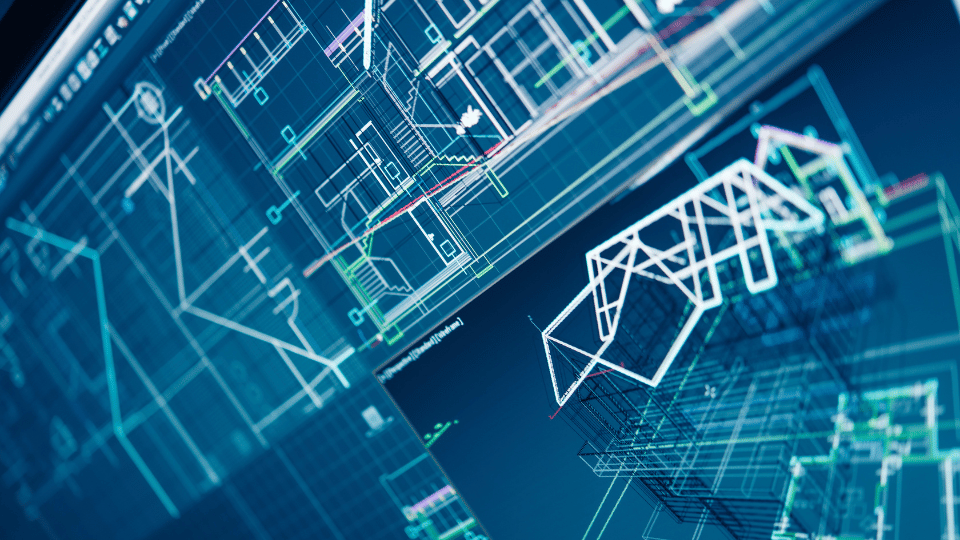
The construction industry is undergoing a significant transformation, driven by technological advancements and the need for greater efficiency. At the forefront of this revolution is Building Information Modeling (BIM), a digital representation of the physical and functional characteristics of a facility.
In this article, we will explore the multifaceted world of Building Information Modeling, examining its definition, its vital roles, advantages and many more. By the end of this article, readers will gain a comprehensive understanding of how BIM is shaping the future of construction and why it is a critical component for success in the industry.

Building Information Modeling, commonly referred to as BIM, is a comprehensive digital representation of a building’s physical and functional characteristics, serving as a shared knowledge resource for all stakeholders involved in a project. This intelligent, 3D model-based tool not only enhances visualization but also facilitates collaboration among architects, engineers, and construction professionals, allowing them to work together more efficiently throughout the project lifecycle. As the construction industry continues to evolve, the adoption of Building Information Modeling is becoming increasingly essential for organizations aiming to stay competitive and deliver high-quality projects.
BIM’s software plays a pivotal role in the construction industry by providing a comprehensive platform for the visualization, planning, and management of building projects. These software solutions enable architects, engineers, and contractors to create intelligent 3D models that encapsulate both the physical and functional characteristics of a facility, hence facilitating real-time collaboration among stakeholders. This collaborative environment not only enhances communication but also significantly reduces the likelihood of errors and misinterpretations during the construction process.
Moreover, BIM software is not merely a tool; it represents a transformative approach to how construction projects are executed. It allows for the simulation of various scenarios, enabling teams to identify potential design flaws or construction challenges before they arise on-site. This proactive problem-solving capability is crucial in minimizing delays and cost overruns.
Additionally, the integration of BIM with other technologies, such as virtual reality and augmented reality, further enhances its utility, providing immersive experiences that aid in decision-making and stakeholder engagement. As the construction industry continues to evolve, the role of BIM software will undoubtedly expand, driving innovation and efficiency in building projects.
One of the primary benefits is improved planning and coordination among project stakeholders. By utilizing a centralized 3D model, architects, engineers, and contractors can collaborate more effectively, leading to streamlined workflows and reduced design errors. This collaborative environment fosters real-time problem-solving, allowing teams to address potential issues before they escalate, ultimately saving time and costs throughout the project lifecycle.
Another key advantage of BIM is its ability to provide realistic visualizations of the project. This capability not only aids in better communication among team members but also enhances client presentations, allowing stakeholders to visualize the end product before construction begins.
Furthermore, BIM’s early clash detection capabilities help identify conflicts in design and construction, which can be rectified in the planning phase rather than during execution, thus minimizing costly rework.
To effectively harness the power of BIM, professionals in the construction and architecture sectors must engage in comprehensive training. A well-structured BIM course provides an in-depth understanding of the fundamental concepts, terminology, and practical applications of BIM. Participants learn to create and manage digital representations of physical structures, which is essential for making informed decisions throughout the construction lifecycle.
Moreover, these courses often include hands-on experience with BIM software, allowing learners to apply theoretical knowledge to real-world scenarios, thereby enhancing their skill set and marketability in a competitive industry. A typical BIM course spans several days and covers a range of topics, from the basics of modeling to advanced techniques for managing complex projects. Instructors guide participants through the intricacies of BIM processes, emphasizing the importance of collaboration among various stakeholders.
By understanding how to utilize BIM effectively, professionals can reduce risks associated with design and construction, streamline workflows, and improve overall project outcomes. Ultimately, investing in a BIM course not only equips individuals with valuable skills but also positions organizations to leverage the full potential of this transformative technology in their projects.
Building Information Modeling (BIM) has revolutionized the construction industry, and numerous case studies illustrate its transformative impact.
One notable example is the Sydney Metro project, which utilized BIM modeling services to enhance transportation infrastructure. By implementing BIM, the project team was able to visualize the future terminal building in 3D, allowing them to identify design issues early in the process. This proactive approach not only improved collaboration among stakeholders but also streamlined the construction timeline, ultimately leading to significant cost savings and a more efficient project delivery.
Another compelling case study comes from the Washington State Department of Transportation (WSDOT), which adopted the NCHRP BIM ROI Tool to assess the return on investment for BIM implementation. WSDOT’s experience highlighted how BIM can enhance project efficiency and collaboration, particularly in large-scale infrastructure projects. The integration of BIM allowed for better planning and execution, reducing the likelihood of costly changes during construction.
These examples underscore the potential of BIM to drive innovation and improve outcomes in the architecture, engineering, and construction (AEC) industry, showcasing its role as a critical tool for modern construction practices.
In the rapidly evolving landscape of construction, selecting the right Building Information Modeling (BIM) software is crucial for maximizing efficiency and collaboration.

Among the top contenders, Autodesk Revit stands out as a premier choice, offering comprehensive tools for architectural design, structural engineering, and MEP (mechanical, electrical, and plumbing) systems. Its user-friendly interface and robust features make it a favorite among architects and engineers alike, enabling them to create detailed models and generate accurate documentation with ease.

Another notable software is Archicad by Graphisoft, which is particularly favored for its intuitive design capabilities and strong visualization tools. It allows architects to work seamlessly with 3D models and provides excellent collaboration features, making it ideal for teams working on complex projects.
Additionally, Autodesk BIM 360 offers a cloud-based solution that enhances project management and team communication, ensuring that all stakeholders have access to the latest project information in real-time.
Trimble Connect is also gaining traction in the BIM community, known for its ability to integrate various project data and facilitate collaboration among different disciplines. It supports a wide range of file formats, making it versatile for teams using different software.

Other noteworthy mentions include Tekla Structures, which excels in structural engineering and construction management.
Embarking on a Building Information Modeling (BIM) project can seem daunting, but breaking it down into manageable steps can simplify the process.
The first step is to clearly define the goals and objectives of your BIM project. This involves identifying the specific outcomes you want to achieve, such as improved collaboration, enhanced visualization, or streamlined construction processes.
Once your goals are established, the next step is to select the appropriate BIM software that aligns with your project requirements and team capabilities. Popular options include Autodesk Revit, ArchiCAD, and Bentley Systems, each offering unique features tailored to different aspects of the construction process.
After selecting the software, the next phase is to create a detailed BIM execution plan. This plan should outline the workflows, responsibilities, and timelines for all team members involved in the project.
Following this, you can begin the modeling process by developing a 3D model of the building, incorporating all relevant data and specifications. As you build the model, ensure that you maintain open lines of communication with your team to facilitate collaboration and address any challenges that arise.
Finally, once the model is complete, conduct thorough simulations and analyses to identify potential issues before construction begins, ensuring a smoother transition from design to execution. This step-by-step approach not only enhances the efficiency of the project but also maximizes the benefits of Building Information Modeling.
In conclusion, Building Information Modeling (BIM) represents a transformative shift in the construction industry, offering a comprehensive approach to enhance collaboration among stakeholders while also streamlining processes, reduces costs, and improves overall project outcomes.
As technology continues to evolve, we can expect even more innovative applications of BIM, including integration with different types of artificial intelligence and virtual reality. These developments will further enhance the capabilities of BIM, allowing for more efficient project delivery and improved sustainability in construction. Ultimately, embracing Building Information Modeling is not just a trend; it is a necessary step towards a more efficient, collaborative, and sustainable future in the construction industry.