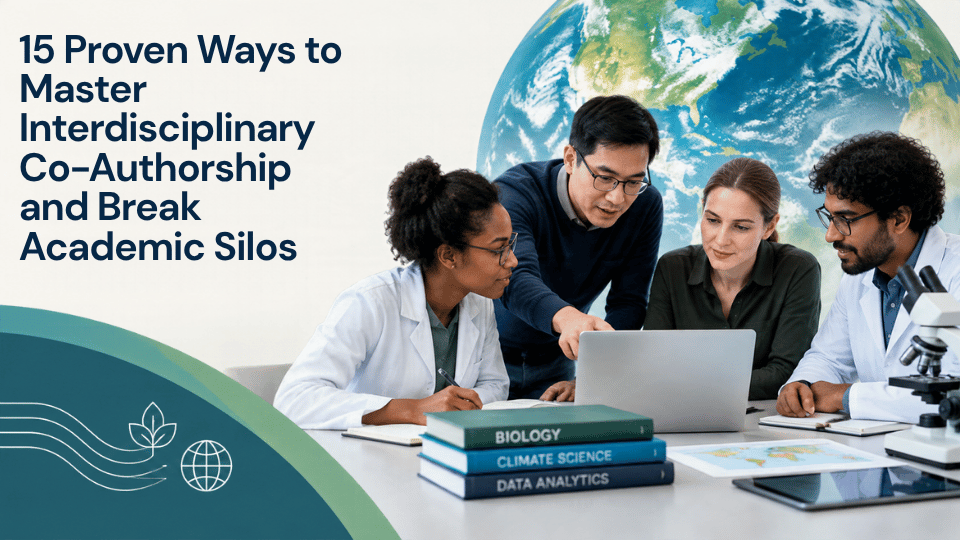
The landscape of academic funding is becoming increasingly competitive, with acceptance rates for major grants dropping to historic lows across the globe. Researchers are finding that having a brilliant idea is no longer enough to convince tight-fisted committees to open their checkbooks. To secure research grants in this environment, you need to demonstrate not just innovation, but also the capability to execute the project at a high level. This shift has placed a premium on the structure of the research team itself, moving away from the “lone wolf” model. Funding bodies are now investing heavily in robust, collaborative groups that promise stability and reach.
For early-career researchers and even established professors, this transition can feel overwhelming and complicated. Writing a proposal is difficult enough without the added complexity of managing a consortium of co-investigators from different places. However, statistics consistently show that multi-author and multi-institutional proposals have a significantly higher success rate. This is because a team approach mitigates risk and promises a broader impact for the funding agency’s investment. To secure research grants, you must stop thinking like an individual and start thinking like a research collective.

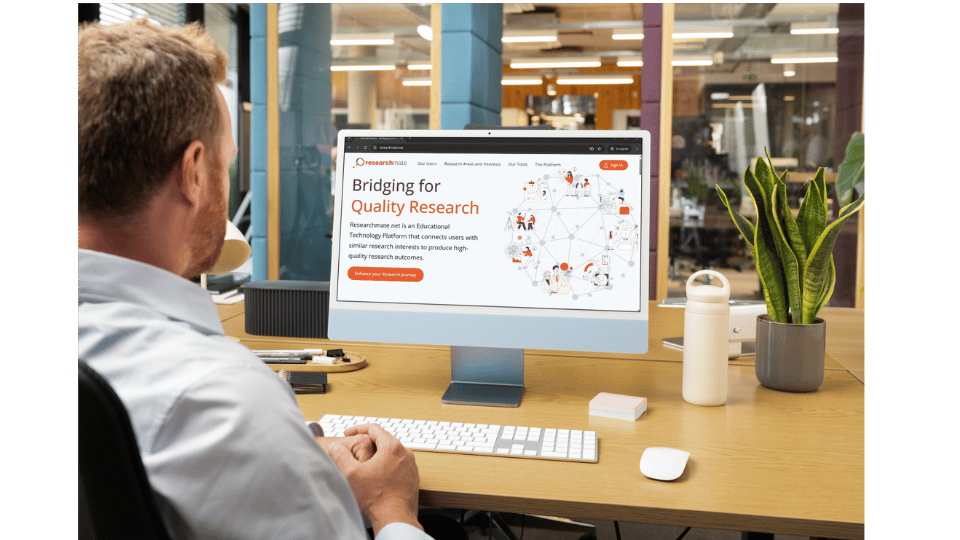
Fortunately, digital tools have made assembling a “dream team” easier than ever before. Platforms like Researchmate.net allow you to find the perfect partners to plug the specific gaps in your proposal. By leveraging these connections, you can build a proposal that looks invincible on paper. This article explores why collaboration is the secret weapon for funding success and how you can use it to your advantage.
In the past, a single expert with a deep focus on a niche topic could reliably win funding for their specific lab. Today, the world’s problems are viewed as complex and interconnected, requiring solutions that bridge multiple disciplines. Agencies like the NSF, NIH, and Horizon Europe are explicitly prioritizing proposals that bring together diverse perspectives to solve grand challenges. If you want to secure research grants, your application needs to reflect this multidisciplinary reality.

A proposal that combines, for example, machine learning with environmental science is far more attractive than a purely theoretical computer science paper. It demonstrates that the research has real-world applications and can cross traditional academic boundaries. This type of synergy is difficult to achieve if you are working in isolation within your own department. You need to actively seek out partners who can bring a different flavor to your research.
This is where the limitations of old-school networking become apparent and painful. As we have discussed in our comparison of traditional networking vs. Researchmate.net, relying on the people you already know often results in an echo chamber. To truly impress a grant committee, you need to find fresh collaborators who add genuine novelty to your project.
When a grant committee reviews your application, their primary concern is actually risk assessment. They are asking themselves, “If we give this person $50,000, will they actually deliver the results?” A solo researcher represents a single point of failure; if you get sick or stuck, the money is effectively wasted. A team, however, represents a resilient network that can absorb shocks and keep the project moving.
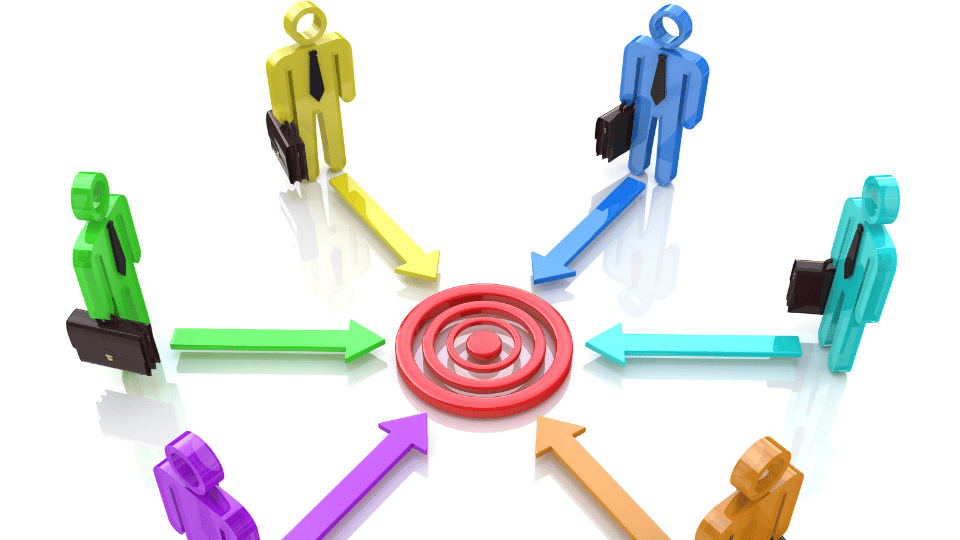
Having established co-investigators on your team essentially borrows their credibility for your project. If you are a junior researcher, partnering with a senior academic instantly validates your proposal in the eyes of the reviewers. This strategy is essential for those looking to secure research grants early in their careers. It signals that you have the mentorship and support structure necessary to succeed.
This dynamic is similar to the benefits of general publishing visibility. Just as co-authorship in research increases the citation count and reach of a paper, co-investigation increases the trust factor of a grant proposal. It transforms your application from a “gamble” into a “safe bet” for the funding agency.
A winning grant proposal must prove that the project is technically feasible within the budget. Often, a single university department may lack the specific equipment or software required for every part of a complex study. By collaborating with researchers from other institutions, you gain access to their labs and resources without spending a dime of the grant money. This efficiency is a massive selling point when trying to secure research grants.
Grant reviewers love to see “resource sharing” because it means their money is going towards research, not buying duplicate equipment. It shows that you are a resourceful project manager who knows how to leverage existing infrastructure. Your proposal can claim access to a wider range of tools, making your methodology look much more robust.
This logistical advantage is a key feature of a modern collaboration and co-authorship platform. These platforms allow you to identify partners not just by their brainpower, but by the resources and institutional access they bring to the table. You can build a virtual lab that spans the globe.
Almost every major grant application now includes a section on “Broader Impact” or “Public Engagement.” This is often the hardest part for a specialist to write effectively. However, a diverse team naturally creates a broader impact because each member brings their own network and audience. If your partner is in a different country, your research instantly has international reach.

This is particularly relevant for researchers in developing nations or those without a major university affiliation. As we outlined in our guide on how to publish paper without academic affiliation, finding global partners is key to proving your work has merit beyond your local context. It shows the committee that your work is globally relevant.
Furthermore, international collaboration suggests that the results will be disseminated in multiple languages and regions. This multiplier effect is exactly what agencies look for when they decide who will secure research grants. It turns a local study into a global conversation.
Writing a grant proposal is a massive undertaking that often has to happen alongside your regular job. Doing it alone means you have to write the background, the methodology, the budget, and the impact statement yourself. Collaborating allows you to split this workload, with each partner writing the section they are most qualified for. This not only speeds up the process but ensures each section is written by an expert.

Deadlines for grants are notoriously strict and unforgiving. If you miss the submission portal window by one minute, months of work can go down the drain. A team helps you manage these timelines and provides accountability to ensure everything is ready early. This organization is vital to secure research grants without burning out.
This divide-and-conquer approach is similar to how students tackle large projects. We often recommend strategies in our article on best tricks to manage your thesis & dissertations, and these same management principles apply to grant writing. A well-managed team is a winning team.
Sometimes, you have 90% of a great proposal, but you are missing one specific skill, like statistical analysis or qualitative coding. If you cannot fill that gap, your methodology will look weak to the reviewers. Using Researchmate to find a specialist for that specific role can be the difference between rejection and acceptance. You don’t need a best friend; you need a specific skill set.
This targeted searching is much more effective than hoping you bump into the right person at a conference. The platform’s algorithms help you in finding your research soulmate with Researchmate, or in this case, your “grant soulmate.” It connects you with people who are actively looking to join funded projects.
Once you have that specialist, your proposal becomes watertight. You can explicitly state in the application that “Dr. X has been brought on specifically to handle the complex data analysis,” which reassures the committee. This level of detail is crucial to secure research grants.
The days of the solitary scholar winning millions in funding are largely behind us. Science has become a team sport, and funding agencies are rewriting the rules to favor collaborative groups. If you want to secure research grants in the modern era, you must adapt to this new reality.
Researchmate.net provides the infrastructure you need to build these winning coalitions. By connecting you with experts, resources, and diverse perspectives, it empowers you to write proposals that are ambitious, feasible, and high-impact. You no longer have to face the daunting grant committees alone.
Start looking for your potential co-investigators today. Build a team that complements your strengths and covers your weaknesses. With the right partners by your side, the funding you need is within reach.