The phrase “Publish or Perish” haunts every academic corridor, from the humblest graduate student office to the grandest professorial suite. The pressure to output high-quality research consistently is higher than ever, yet the process of writing, reviewing, and submitting papers remains agonizingly slow. For those looking to survive and thrive in this environment, finding ways to accelerate research publication is not just a luxury; it is a necessity. The secret to speed does not lie in working longer hours, but in working smarter through strategic collaboration.

The traditional model of the “lone genius” toiling away in isolation is a bottleneck for productivity. Writing a paper solo means you are responsible for the literature review, data collection, statistical analysis, writing, editing, and formatting. If any one of these stages stalls—perhaps you get stuck on the statistics or suffer from writer’s block—the entire project halts. By embracing a collaborative model, you can parallel-process these tasks, drastically reducing the time from concept to submission.
Researchmate.net was built on the premise that two (or three) heads are faster than one. By connecting with other researchers who possess complementary skills, you can turn a twelve-month project into a three-month sprint. This article explores how you can leverage the power of the platform to accelerate research publication without compromising on quality or integrity.
When you work alone, you are limited by your own bandwidth and your own skill gaps. You might be a brilliant writer but a slow data analyst, or a great experimenter who struggles with English composition. These weaknesses become speed bumps that delay your research for weeks or even months. In a competitive field, being second to publish a discovery is often as bad as not publishing at all.

Furthermore, the solo researcher has no accountability partner. It is all too easy to push a deadline back when no one else is waiting for your contribution. Procrastination is the silent killer of academic output, and it thrives in isolation. To accelerate research publication, you need the external pressure and motivation that comes from being part of a team.

There is also the risk of tunnel vision. Working alone often leads to mistakes that are only caught during peer review, leading to rejection and further delays. A collaborator acts as a first line of defense, catching errors early and ensuring the paper is robust before it ever leaves your desk.
The most effective way to speed up a paper is to split the workload based on expertise. Imagine you find a partner on Researchmate who loves doing literature reviews and formatting, while you focus on the methodology and discussion. Instead of doing tasks sequentially, you can work on different sections simultaneously. This parallel workflow is the primary engine used to accelerate research publication in high-output labs.

This division of labor also reduces cognitive fatigue. Switching between “math brain” for statistics and “creative brain” for writing is exhausting. By specializing in the part of the paper you are best at, you maintain a flow state and work more efficiently. This isn’t just about speed; it’s about enjoying the process more.
Of course, this requires trust and coordination. Using a dedicated platform allows you to assign specific tasks with clear deadlines, ensuring everyone knows their role. This structure is essential for effective co-authorship in research, transforming a casual agreement into a professional production line.
Nothing slows down publication like the inability to start writing. This often stems from the overwhelming size of the task. When you are part of a team, the blank page is never truly blank because your collaborators are filling it with you. Seeing a co-author add a paragraph to the shared document often triggers your own inspiration and gets you writing.

Collaborators also serve as sounding boards. If you are stuck on how to frame an argument, a quick chat with your research partner can unblock you in minutes. This rapid problem-solving is impossible when you are working in a silo.

Moreover, the emotional support of a team helps you push through the “slump” phases of research. Knowing that someone else is relying on you to accelerate research publication provides a powerful psychological incentive to sit down and write. It turns the solitary burden into a shared mission.
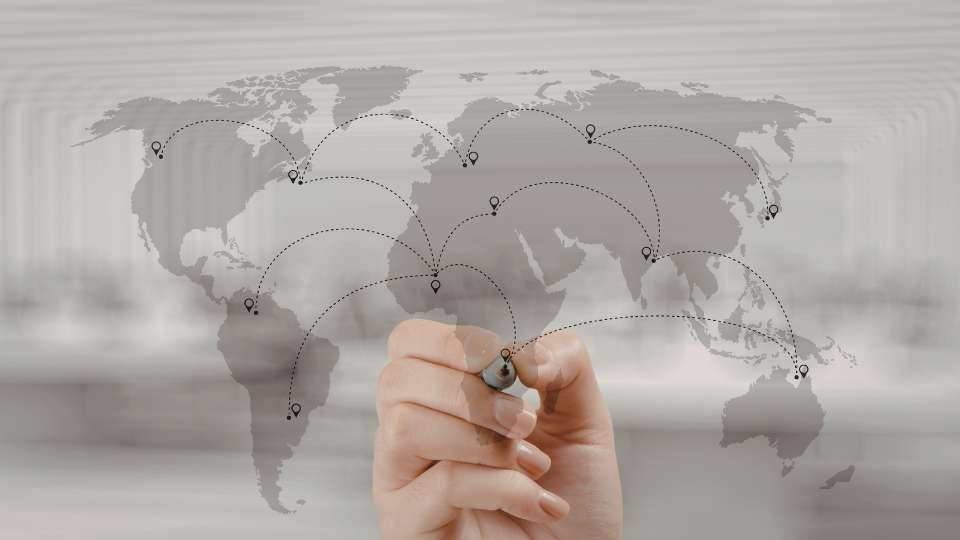
One of the most underrated hacks for speed is international collaboration. If you are in London and your partner is in Sydney, the work never stops. You can write during your day, hand it off to your partner, and wake up to find the next section completed. This “follow the sun” model can effectively double your working hours without anyone burning out.
This is particularly useful for those without a traditional university support system. Independent researchers often feel the need for speed most of all, and as we discussed in our guide on how to publish paper without academic affiliation, finding global partners is key to credibility and efficiency.
To make this work, you need a platform that facilitates seamless communication and file sharing. Researchmate’s global network makes it easy to find partners in different time zones who are eager to collaborate. This global reach is a massive advantage when trying to accelerate research publication.
A common fear is that writing faster means writing worse. However, in a collaborative setting, the opposite is often true. Because multiple eyes are reviewing the content in real-time, the quality of the arguments and the data is constantly being checked. You are essentially running an internal peer review process as you write.
This iterative refinement means the paper is likely to sail through the official peer review process much faster. Reviewers will find fewer errors, leading to “Minor Revisions” decisions rather than “Major Revisions” or “Reject”. This is where the real time is saved—avoiding the months of back-and-forth with journal editors.
Finding a partner who complements your skills is crucial here. It is like finding your research soulmate with Researchmate; when the chemistry is right, the work is both faster and better. The synergy creates a final product that is greater than the sum of its parts.
In the modern academic landscape, speed is a competitive advantage. Those who learn to collaborate effectively will consistently outperform those who insist on working alone. To accelerate research publication, you must embrace the tools and mindsets that facilitate teamwork.
Researchmate.net offers the infrastructure to build these high-speed teams. By connecting you with motivated peers, managing your workflow, and expanding your network, it removes the friction that slows down research. You no longer have to wait years to see your name in print.
Start treating your research like a modern project, not a solitary pilgrimage. Build your team, divide the work, and watch your publication count rise. The future belongs to the collaborators.