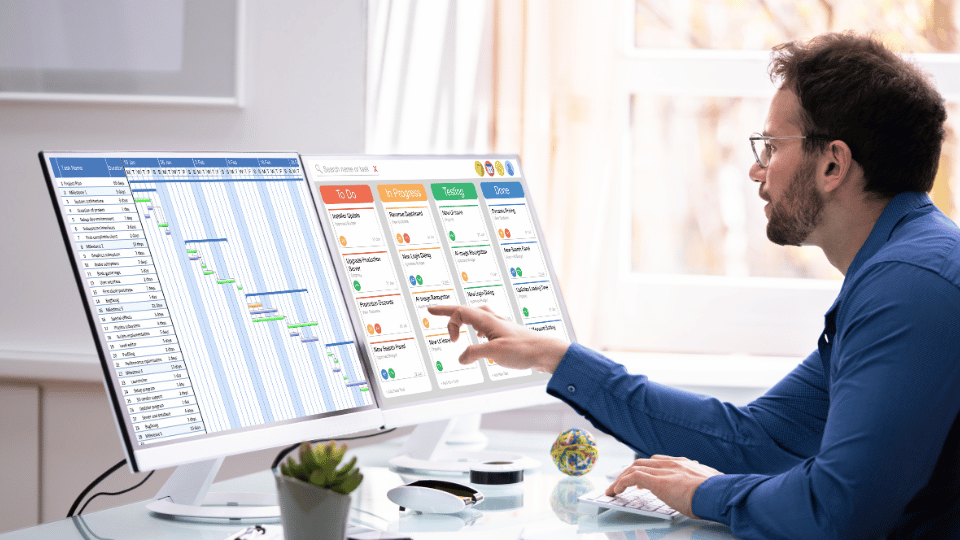
In the fast-paced world of academia, the traditional methods of managing postgraduate students are becoming increasingly obsolete. Professors and academic supervisors are often juggling their own publication deadlines, teaching responsibilities, and administrative duties, leaving little room for the micromanagement that some students desperately need. Effective research supervision is no longer just about reading drafts; it is about managing a complex project with multiple moving parts. By transitioning to digital platforms like Researchmate.net, supervisors can regain control over their time while providing better support to their candidates.

The shift towards digital tools allows for a more transparent and structured approach to the student-supervisor relationship. Gone are the days of lost email threads, confusing file versions, and vague verbal updates given in hallway conversations. Digital platforms provide a centralized dashboard where every milestone, task, and draft is recorded and easily accessible. This evolution in research supervision ensures that both the mentor and the mentee are always on the same page, reducing anxiety and increasing productivity for everyone involved.
Historically, supervision relied heavily on face-to-face meetings and physical paper trails. While personal interaction is irreplaceable, relying on it for project management is inefficient and prone to error. When a student’s progress is tracked solely through memory or scattered notebooks, accountability becomes difficult to enforce. This often leads to the “last-minute panic” where students realize they have misunderstood a core requirement just weeks before a deadline.

Furthermore, the modern academic landscape is increasingly global and remote. You may be supervising international students or collaborating with co-supervisors from different universities. Traditional methods fail to accommodate the asynchronous nature of modern research teams. A robust research supervision strategy must include tools that bridge time zones and geographical distances, ensuring that guidance is delivered effectively regardless of physical location.

This disconnection often results in a lack of engagement. Students who feel unsupported may drift away or lose motivation, leading to high dropout rates or extended completion times. By moving the management aspect of supervision online, you create a constant “virtual presence” that reassures students they are being monitored and supported. This psychological benefit is just as important as the logistical organization it provides.
One of the most time-consuming aspects of supervision is the feedback loop. Emailing Word documents back and forth with file names like “Thesis_Final_Final_V2.docx” is a recipe for disaster. Researchmate.net solves this by offering a centralized space where documents can be shared, reviewed, and version-controlled without the clutter. This streamlined approach to research supervision means you spend less time searching for the right file and more time providing high-quality intellectual guidance.
In addition to file management, the platform facilitates clearer task assignment. Instead of vague instructions, you can set specific, actionable goals for your students to achieve by the next meeting. This clarity helps students break down the overwhelming task of a thesis into manageable chunks, reducing procrastination. It aligns perfectly with the strategies discussed in our guide on the best tricks to manage your thesis & dissertations, but from the supervisor’s perspective of enforcement and oversight.
Moreover, having a digital record of all communications protects both the supervisor and the student. If there is ever a dispute about what was agreed upon or when a chapter was supposed to be submitted, the platform provides an indisputable timeline. This objective record is a crucial component of professional research supervision, minimizing misunderstandings and fostering a professional working relationship. It turns the nebulous “mentorship” into a structured professional contract.
Paradoxically, closer digital monitoring often leads to greater student independence. When students have a clear dashboard of their tasks and deadlines, they are more likely to take ownership of their project. They no longer need to email you to ask “what should I do next?” because the roadmap has already been laid out on the platform. This shifts the dynamic from a dependency model to a partnership model, which is the ultimate goal of doctoral training.
This independence also encourages peer-to-peer learning. On a platform designed for collaboration, your students can also connect with each other or external experts to solve minor problems. This reduces the burden on you to be the sole source of all knowledge and technical support. It introduces them to the broader world of academic networking, similar to the benefits found in a collaboration and co-authorship platform.
By fostering this autonomy, you are preparing your students for a career in academia or industry where self-management is key. Effective research supervision is about scaffolding: providing strong support structures initially and slowly removing them as the student gains competence. Digital tools allow you to adjust this level of support dynamically based on the student’s actual performance data.
Sometimes, a student’s research topic evolves in a direction that is slightly outside your area of expertise. In the past, this might have required you to struggle through or awkwardly hand the student off to a colleague. With Researchmate, you can easily find co-supervisors or external experts to supplement your guidance with the “Interest Match” feature. This ensures that the student always has access to the best possible advice without you needing to be an expert in everything.
The “Interest Match” feature is particularly useful for interdisciplinary projects that require a mix of methodologies. Finding a co-supervisor through the platform is significantly faster and more targeted than asking around your department. It breaks down the silos that often seen in academia, a topic we explored when comparing traditional networking vs. Researchmate.net.
Bringing in a co-supervisor also adds a layer of accountability and a fresh perspective to the project. It creates a supervisory team that buffers against bias and ensures a more rigorous evaluation of the student’s work. This collaborative approach to research supervision enriches the student’s experience and protects the quality of the final dissertation.
Data-driven decision-making is standard in research, so why not apply it to supervision? Digital platforms can provide analytics on student performance, such as adherence to deadlines and frequency of login. These metrics can serve as early warning signs for students who might be struggling with mental health issues or burnout. Early detection allows for compassionate intervention before the student drops out entirely.
You can set up milestones that trigger automatic reminders, ensuring that administrative deadlines for university paperwork are never missed. Automating these administrative nudges frees up your mental energy for the creative and intellectual aspects of research. It transforms research supervision from a nagging role into a coaching role.
Finally, seeing a visual progress bar fill up is incredibly motivating for students. Gamifying the progress tracking can provide that small dopamine hit needed to keep pushing through the difficult middle phase of a PhD. It turns the abstract concept of “progress” into something tangible and visible.
The role of the supervisor is evolving. They are no longer just gatekeepers of knowledge; they are project managers, career coaches, and network facilitators. Embracing digital tools to enhance research supervision is not about replacing the human element, but about organizing it. It allows you to be the mentor your students need without sacrificing your own research productivity.

By using Researchmate.net, you create a professional ecosystem where your students can thrive. You provide them with the structure they crave and the connections they need to succeed. Whether it is finding a co-author or just keeping their bibliography in check, the platform supports every aspect of the journey.
Ultimately, your legacy as a supervisor is defined by the success of your students. Adopting a modern, tech-enabled approach to research supervision ensures that more of your students cross the finish line with high-quality work. It is time to step out of the office clutter and into the streamlined future of academic management.