In the modern era of artificial intelligence, understanding how machines process information is essential for grasping future trends. Most sophisticated systems we interact with today fall into specific categories of development. When exploring various types of artificial intelligence, limited memory stands out as the most widely implemented form. This technology allows machines to use past data to inform present decisions. It represents a major step forward from systems that only react to current stimuli.
This specific architecture functions by storing a small amount of information over a short timeframe. Unlike humans, who have lifelong recall, limited memory AI focuses on a rolling window of recent events. This allows the system to build context and recognize patterns as they happen. By doing so, the machine can predict what is likely to occur in the next few seconds. It creates a bridge between static automation and dynamic intelligence.
The technical implementation of this concept requires advanced software and hardware coordination. We can see the roles of computer engineering in artificial intelligence when looking at how data buffers are managed. Engineers design limited memory systems to handle massive streams of information without lagging. They utilize deep learning models that can adjust their weights based on incoming signals. This ensures the machine stays responsive while learning from its immediate surroundings.
Efficiency is a primary reason why researchers choose to build limited memory frameworks for real-world tasks. By restricting the history the machine considers, developers prevent the system from becoming overloaded with noise. It prioritizes data that is statistically relevant to the current objective. This makes the technology ideal for mobile devices and embedded systems. It proves that knowing what to forget is just as vital as knowing what to remember.
We encounter this specific type of intelligence everywhere in our daily lives. Here are eight major examples of how limited memory is currently innovating across different industries.
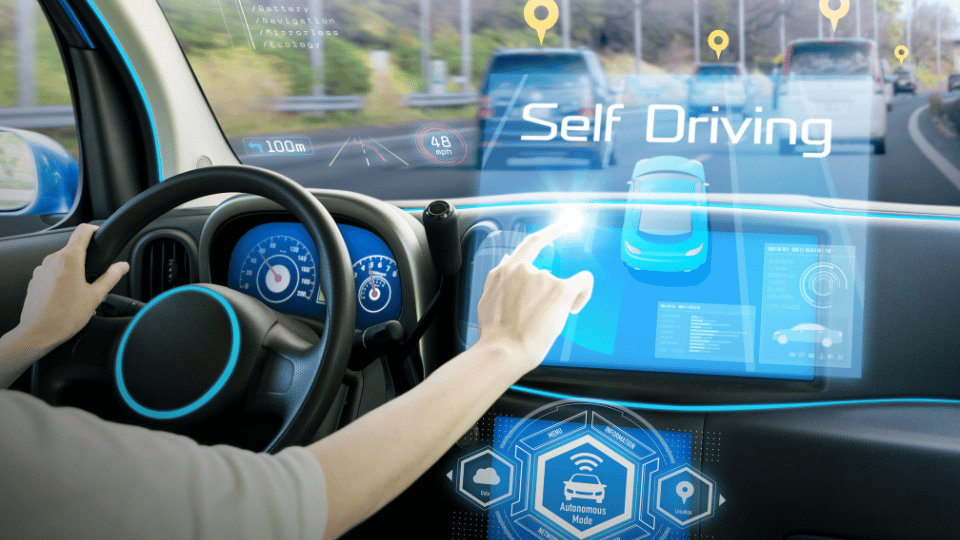
Autonomous vehicles provide one of the most famous applications of limited memory in the modern world. These cars must constantly track the speed and direction of nearby objects. They do not just see a snapshot; they remember where a cyclist was three seconds ago. This allows the vehicle to anticipate lane changes and pedestrian movements with high accuracy. Such a feature is critical for ensuring safety on public roads.

Every time you talk to a virtual assistant, you are interacting with a limited memory model. These systems retain the context of your previous messages during a single session. This allows you to ask follow-up questions without having to restate every detail again. It makes the interaction feel natural and logically consistent over time. Without this short-term recall, digital assistants would be far less helpful.

Streaming services like Netflix and Spotify rely heavily on limited memory to drive their recommendation engines. They analyze your most recent interactions to suggest content that fits your current mood. If you watch three action movies in a row, the algorithm focuses on that specific trend. This ensures the suggestions remain fresh and relevant to your current state. It provides a personalized experience that evolves as your interests change.
The banking industry uses limited memory to protect millions of users from identity theft. Fraud detection systems compare a new transaction against your recent spending patterns. If a purchase occurs in an unusual location shortly after a local one, the AI flags it. This temporal awareness allows for instant security alerts that prevent unauthorized spending. It is an invisible layer of protection in our daily financial lives.
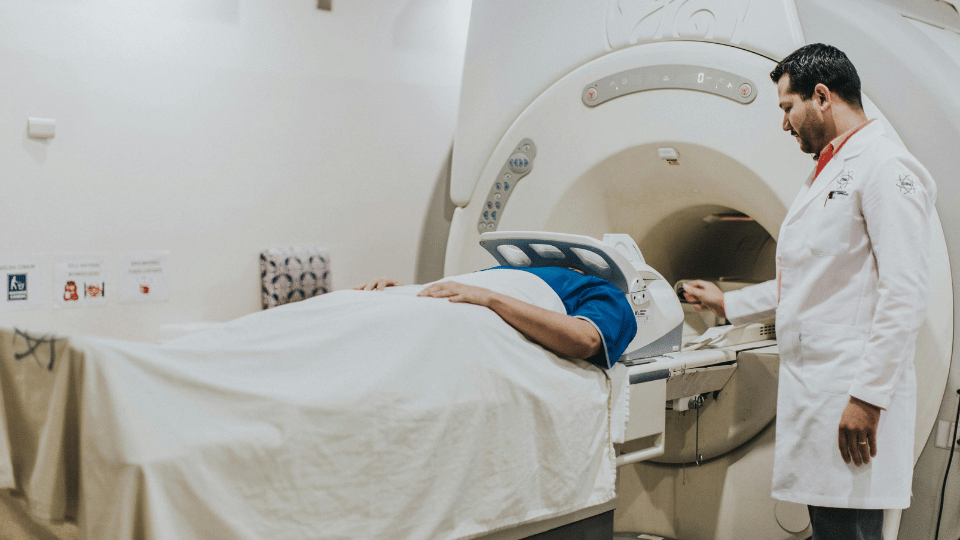
Medical diagnostic tools have reached new levels of precision through the use of limited memory algorithms. These systems can compare current X-rays or MRIs with previous scans from a patient’s history. By doing this, the AI can detect small changes in tumor size or heart health. It helps doctors identify trends that might be invisible in a single image. This approach saves lives by catching diseases in their early stages.
Predicting the weather with high accuracy requires a system that understands recent atmospheric shifts. Modern forecasting uses limited memory to provide nowcasting alerts for severe storms. The AI looks at radar data from the last few hours to predict the exact path of a tornado or flood. This short-term focus is much more effective for emergency management than long-term models. It provides the specific warnings needed to keep communities safe.
Managing the energy needs of a city is a complex task that benefits from limited memory integration. Smart grids analyze electricity consumption over the previous few hours to manage distribution. If the AI detects a sudden spike in power usage, it can automatically redirect energy to prevent blackouts. This helps balance the load when renewable sources like solar or wind fluctuate. It ensures a stable and efficient power supply for everyone.
In the manufacturing sector, industrial robots use limited memory to work safely alongside humans. These machines monitor the movements of nearby workers and adjust their speed accordingly. If a person steps into a robot’s path, the system remembers the worker’s trajectory. This allows the machine to pause or change its movement to avoid a collision. It makes the factory floor a collaborative and much safer environment.
When exploring revolutionary next-gen tech, we see a clear trend toward smarter data filtering. Choosing to utilize limited memory is a strategic decision to maximize the speed of decision-making. A system that tries to process every piece of historical data would simply be too slow. Therefore, filtering out irrelevant history allows for real-time reactivity. This design philosophy is what enables AI to function in the fast-paced physical world.
The future of this technology involves expanding the “window” of the past without losing efficiency. Researchers are currently developing even more nuanced limited memory architectures. These systems will be able to prioritize different types of information for different durations. This will lead to even more intuitive interactions and better automated planning. We are moving toward a world where machines understand time much like we do.
In conclusion, limited memory serves as the foundation for the most useful AI tools in 2025. By looking back just enough to gain context, these systems solve complex problems with remarkable speed. From driving cars to detecting fraud, the impact of this technology is undeniable. It demonstrates that practical intelligence is often built on curated experiences. As we refine these models, our technology will only become more helpful and aware.