For researchers, long hours of data collection, analysis, and writing often mean extended periods of sitting and mental fatigue. Amid deadlines and experiments, maintaining regular exercise can easily fall to the bottom of the priority list. Yet, consistent physical activity is essential not only for health but also for enhancing focus, creativity, and resilience in academic work.

A common dilemma arises: should researchers focus on exercising at home or at the gym? Each option offers distinct benefits and challenges, depending on your schedule, environment, and personal goals. This article compares both approaches to help you find the fitness strategy that fits your research lifestyle.
For researchers managing unpredictable hours, especially during project deadlines or lab experiments, home workouts offer exceptional convenience. You can exercise between writing sessions, during breaks in data processing, or even before early-morning online meetings.
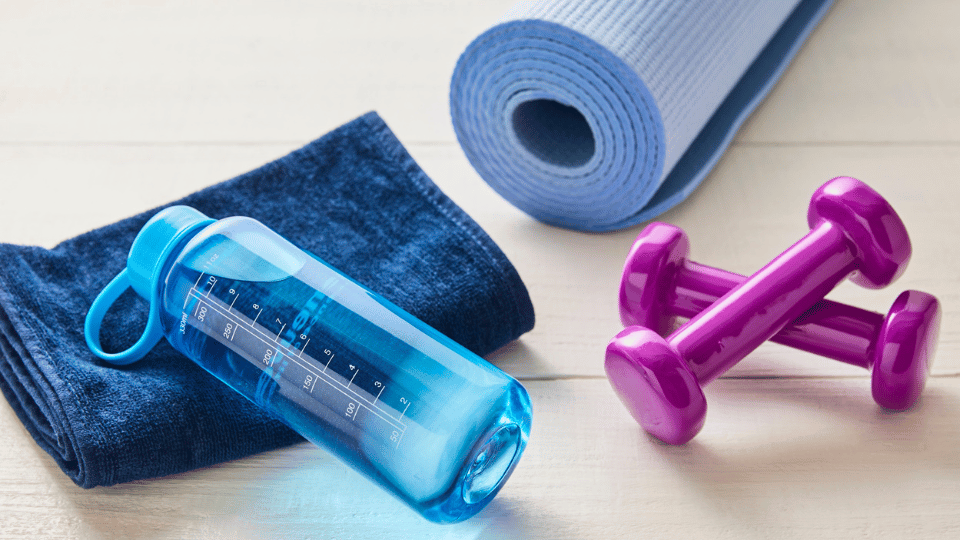
Home workouts require minimal setup. With basic home workout equipment like a yoga mat, resistance bands, or a pair of dumbbells, you can complete a full routine. Online platforms now provide structured programs, ranging from 10-minute cardio sessions to guided yoga for posture correction, that fit even the tightest research schedules.
The main advantage is flexibility. You can train at any hour, without commuting or waiting for equipment. This autonomy is invaluable when juggling grant applications, teaching duties, or long lab hours. Home workouts also encourage consistency by removing time barriers, allowing you to integrate short sessions throughout the day, which is an effective way to counter sedentary habits common in research life.
For some researchers, the gym represents a structured break from the academic setting. Stepping away from the lab or desk can serve as a mental reset, promoting better focus afterward.
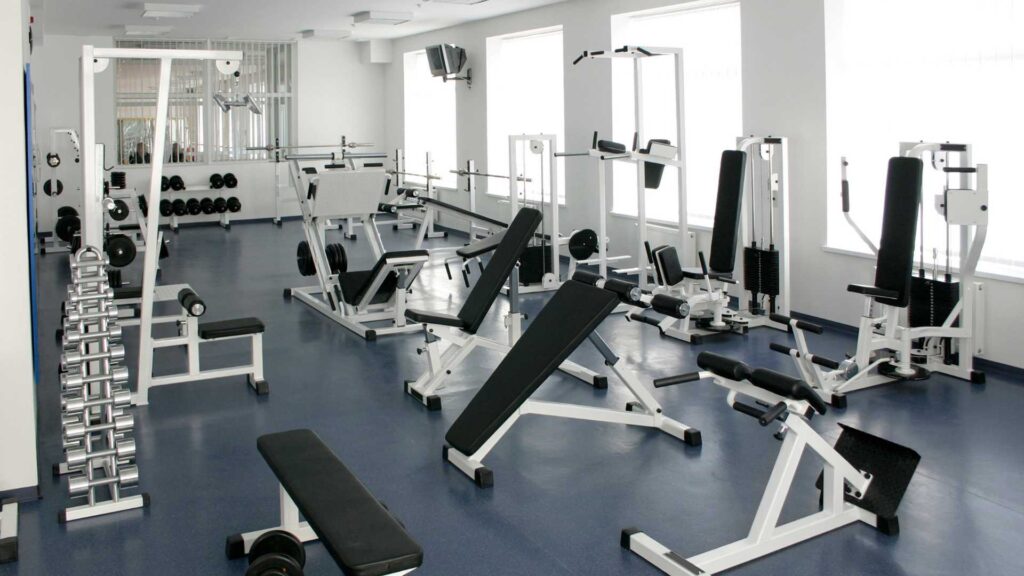
Gyms provide access to specialized equipment ideal for building strength or performing specific training. This variety helps balance the physical strain caused by long sedentary work. Many gyms also offer classes such as yoga or high-intensity interval training (HIIT) that can add social interaction to an otherwise solitary research lifestyle.
The gym environment can foster accountability. Researchers accustomed to collaborative settings may find motivation in shared spaces where others pursue similar goals. Additionally, personal trainers can guide proper technique and tailor workouts to manage back pain or posture issues that often arise from desk work.
Both home and gym workouts can effectively improve health and productivity when practiced consistently. Studies show that short, high-intensity home workouts can significantly boost cardiovascular fitness and cognitive performance, benefits that directly support a researcher’s concentration and problem-solving ability.

Meanwhile, gym workouts allow progressive overload and access to heavier weights, which may better support long-term strength gains and posture correction. These factors can help reduce physical discomfort during extended research sessions.
Ultimately, the most effective option depends on consistency and alignment with your routine. A 30-minute focused workout, done regularly, will always outperform a long but infrequent gym session.
For early-career researchers or graduate students, budgeting often matters. Setting up a simple home gym might require a one-time investment of around $200 to $300 for essentials, while a monthly gym membership averages $25 to $50.
However, time is the most valuable currency for researchers. Home workouts eliminate commuting, allowing quick sessions between tasks. In contrast, gym visits often involve travel and preparation time, though this can double as a valuable mental break from research intensity.
If you prefer flexibility and minimal disruption to your workflow, home workouts are ideal. If you need a defined space that helps you disconnect from work, the gym might be worth the investment.
Researchers thrive on curiosity and persistence, traits that also sustain a long-term fitness routine. However, motivation can fluctuate, especially during heavy academic workloads.
Gyms provide an external structure that reinforces discipline and accountability. The environment can energize you and create a psychological boundary between work and wellness.
Home workouts, on the other hand, appeal to researchers who value autonomy. Exercising in your own space allows flexibility and comfort, though it demands more self-motivation. Using tracking apps or joining online fitness communities can help maintain consistency. Even integrating “micro workouts” such as squats between experiments or stretches during reading breaks can make a meaningful difference.
There is no one-size-fits-all solution.
Both paths support the mental clarity, endurance, and stress management essential for academic performance. What matters most is consistency and finding joy in the process, whether that means a morning yoga session before your experiments or an evening weightlifting routine after writing.
| Factor | Home Workouts | Gym Workouts |
|---|---|---|
| Flexibility | Adaptable to irregular research schedules | Requires fixed time commitment |
| Cost | One-time setup investment | Monthly membership fees |
| Time Efficiency | No commute, ideal for short sessions | Travel time but structured schedule |
| Motivation | Self-driven, requires discipline | Social accountability and trainer support |
| Physical Benefits | Great for mobility, endurance, and stress relief | Better for strength, posture, and progression |
| Best for | Researchers seeking autonomy and convenience | Researchers needing structured breaks from work |
For busy researchers, the ideal workout routine is not defined by location but by sustainability. Whether you train at home between writing sessions or hit the gym after long lab hours, the goal is to make physical activity a consistent part of your academic rhythm.
Exercise supports more than physical health. It sharpens focus, enhances creativity, and builds the stamina needed for demanding research work. In the end, it is not where you exercise that matters, but how regularly you show up for yourself.