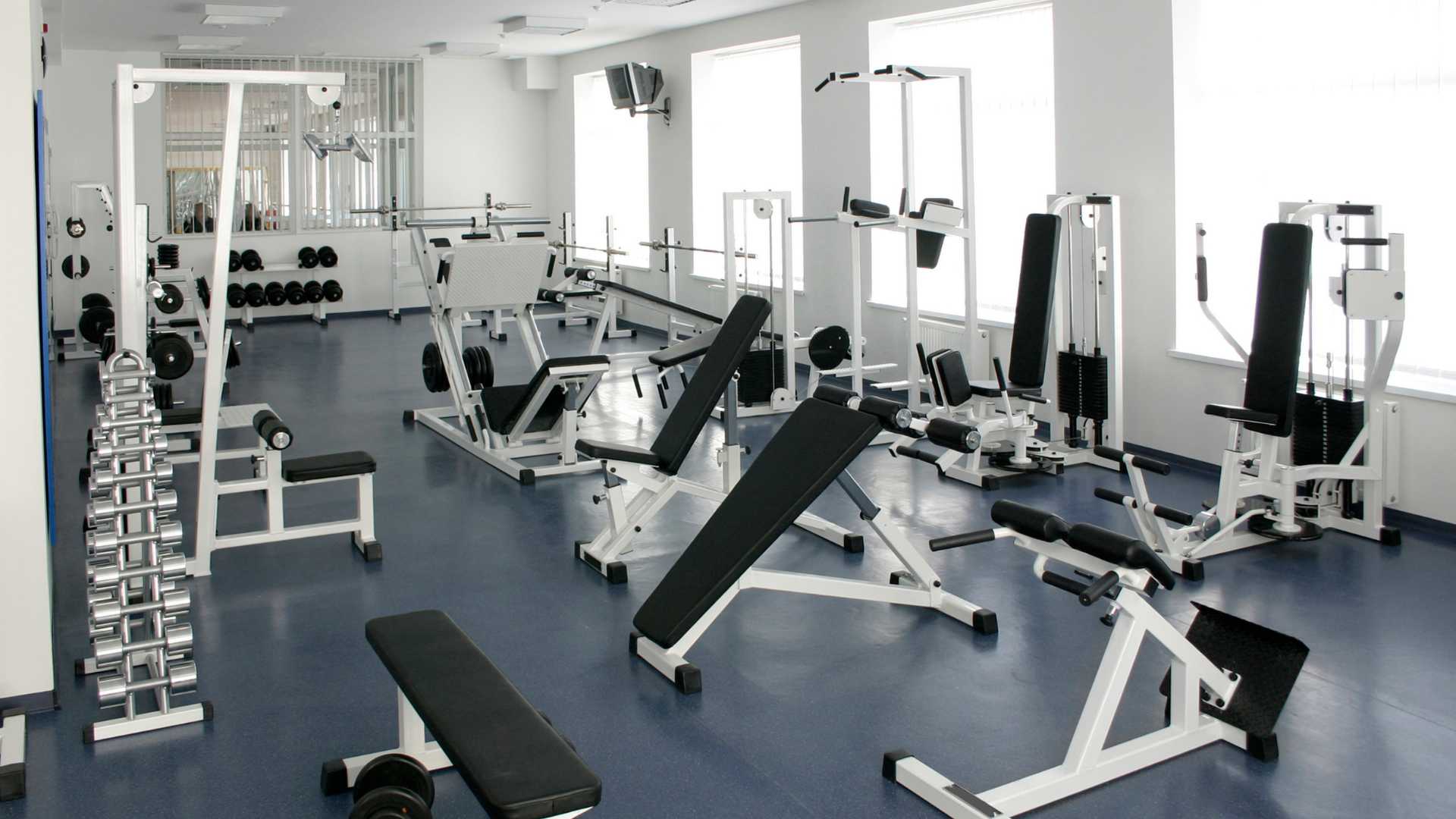
In today’s fast-paced world, students often find it challenging to balance their academic responsibilities with maintaining a healthy lifestyle. Exercise at home has emerged as a practical solution, allowing students to stay fit without the need for a gym membership or extensive travel. The rise of online classes and remote learning has made it even more crucial for students to prioritize their physical health.
This ultimate guide will explore the benefits of home workouts, different types of exercises suitable for students, and tips for creating a sustainable workout routine that keeps them motivated and on track.
Exercising at home offers a multitude of benefits that cater specifically to the needs of students.
One of the most significant advantages is the flexibility it provides. Students often juggle classes, assignments, and social activities, making it challenging to find time for the gym. Home workouts fit seamlessly into their schedules, allowing them to exercise whenever it suits them best, whether it’s early in the morning or late at night.
Another compelling reason to exercise at home is the cost-effectiveness it offers. Gym memberships can be expensive, and many students may not have the budget to commit to a fitness center. By working out at home, students can save money while still engaging in effective workouts.
Additionally, home workouts eliminate the need for travel, further reducing expenses and time spent commuting. This financial freedom allows students to invest in other essential areas of their lives, such as education or personal development, while still prioritizing their health and fitness.
When it comes to exercising at home, students have a plethora of options that cater to various fitness levels and preferences.

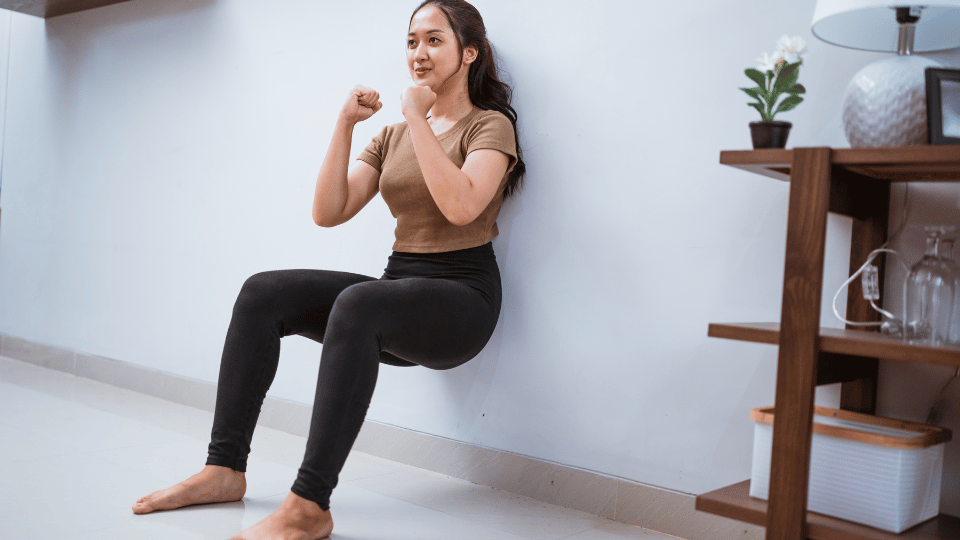
Bodyweight workouts are particularly popular, as they require no equipment and can be easily modified to suit individual capabilities. Exercises such as knee push-ups, chair squats, and stationary lunges are excellent for building strength and endurance. Students can also incorporate deskercises; simple movements performed at their study desk to stay active during long periods of sitting.
Additionally, incorporating dynamic movements like the plank to downward dog and bird dog can enhance flexibility and core stability, making them ideal for students looking to improve their overall fitness without the need for a gym.
For those who enjoy a more structured approach, following a beginner routine can be beneficial. Start with aerobic exercises to ensure a well-rounded workout. Simple yet effective exercises like the straight-leg donkey kick and forearm plank can be seamlessly integrated into a home workout regimen.
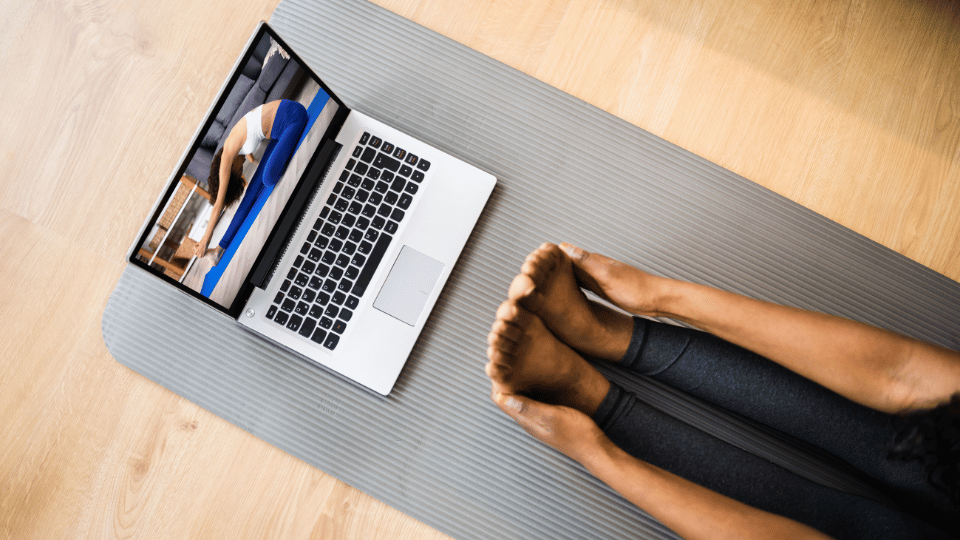
Moreover, students can engage in high-energy activities such as dancing or following online workout videos, which not only provide a fun way to stay active but also help in relieving stress, making them perfect for busy students juggling academics and fitness.
Creating a home workout routine is essential for students looking to maintain their fitness levels while balancing academic responsibilities.

Start by assessing your fitness goals; whether you aim to build muscle, lose weight, or improve overall health, having clear objectives will guide your routine.
Incorporate a balanced mix of cardio and strength training exercises, as this combination not only enhances physical fitness but also boosts mental well-being. For instance, you can alternate between bodyweight exercises like push-ups and squats for strength training and activities like jumping jacks or jogging in place for cardio, ensuring a comprehensive workout that targets various muscle groups.
Next, consider your schedule and the time you can realistically dedicate to exercising. Aim for at least 30 minutes of physical activity most days of the week, but remember to start slow and gradually increase the intensity and duration of your workouts. A well-structured routine might include specific days for different muscle groups, such as legs and abs on one day, followed by chest and back on another.
Additionally, make use of online resources, such as guided workout videos, to keep your sessions engaging and effective.
By planning your workouts in advance and sticking to a consistent schedule, you can create a sustainable home workout routine that fits seamlessly into your student lifestyle.
When it comes to exercising at home, having the right equipment for home workouts can significantly enhance your fitness experience and results. For those who are serious about building strength and endurance, investing in a few key pieces of equipment is essential.
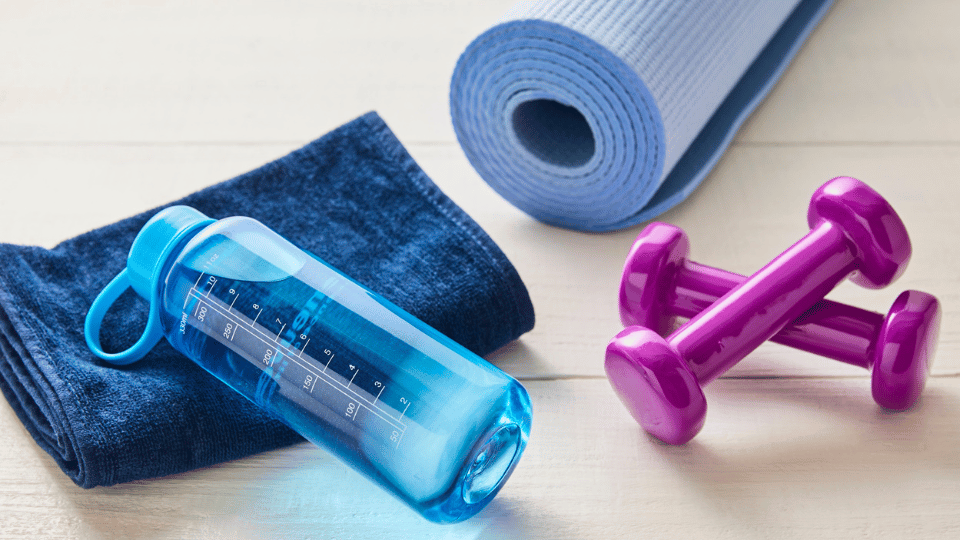
A set of dumbbells or a weightlifting system can provide the resistance needed for effective strength training, while resistance bands offer versatility and can be used for a variety of exercises targeting different muscle groups.
Additionally, a sturdy pull-up bar can be a game-changer for upper body workouts, allowing you to perform chin-ups and pull-ups that build back and arm strength.
For cardio enthusiasts, incorporating machines like a treadmill, stationary bike, or rowing machine can elevate your heart rate and improve cardiovascular fitness.
If space is limited, consider budget-friendly options like a jump rope, which is perfect for high-intensity interval training (HIIT) and can be easily stored away.
An exercise mat is also a must-have for floor exercises, yoga, or stretching routines, providing comfort and stability.
By equipping your home gym with these essentials, you can create a well-rounded workout environment that caters to your fitness goals.
When embarking on a journey of exercise at home, students often fall prey to several common mistakes that can hinder their progress and even lead to injury.
One of the most prevalent errors is skipping the warm-up, which is crucial for preparing the body for physical activity. Neglecting this step can result in muscle strains and decreased performance.
Additionally, many students attempt to perform exercises that are too advanced for their current fitness level, leading to frustration and potential injury. It’s essential to recognize your limits and gradually increase the intensity of your workouts to avoid burnout and setbacks.
Another common pitfall is the lack of variety in home workouts. Repeating the same routine can lead to plateaus in progress and boredom, making it difficult to stay motivated. Incorporating a diverse range of exercises not only keeps things interesting but also ensures that different muscle groups are engaged.
Furthermore, students often overlook the importance of cooldowns after workouts, which are vital for recovery and preventing stiffness. By being mindful of these common mistakes, students can create a more effective and enjoyable home workout experience.
In conclusion, exercising at home as compared to gym presents a unique opportunity for students to maintain their physical health and well-being amidst their busy schedules. Ultimately, the journey of home workout is not just about physical fitness; it also fosters discipline, resilience, and a sense of accomplishment. As students navigate their academic responsibilities, integrating home workouts can enhance their focus and energy levels, leading to improved performance in their studies.