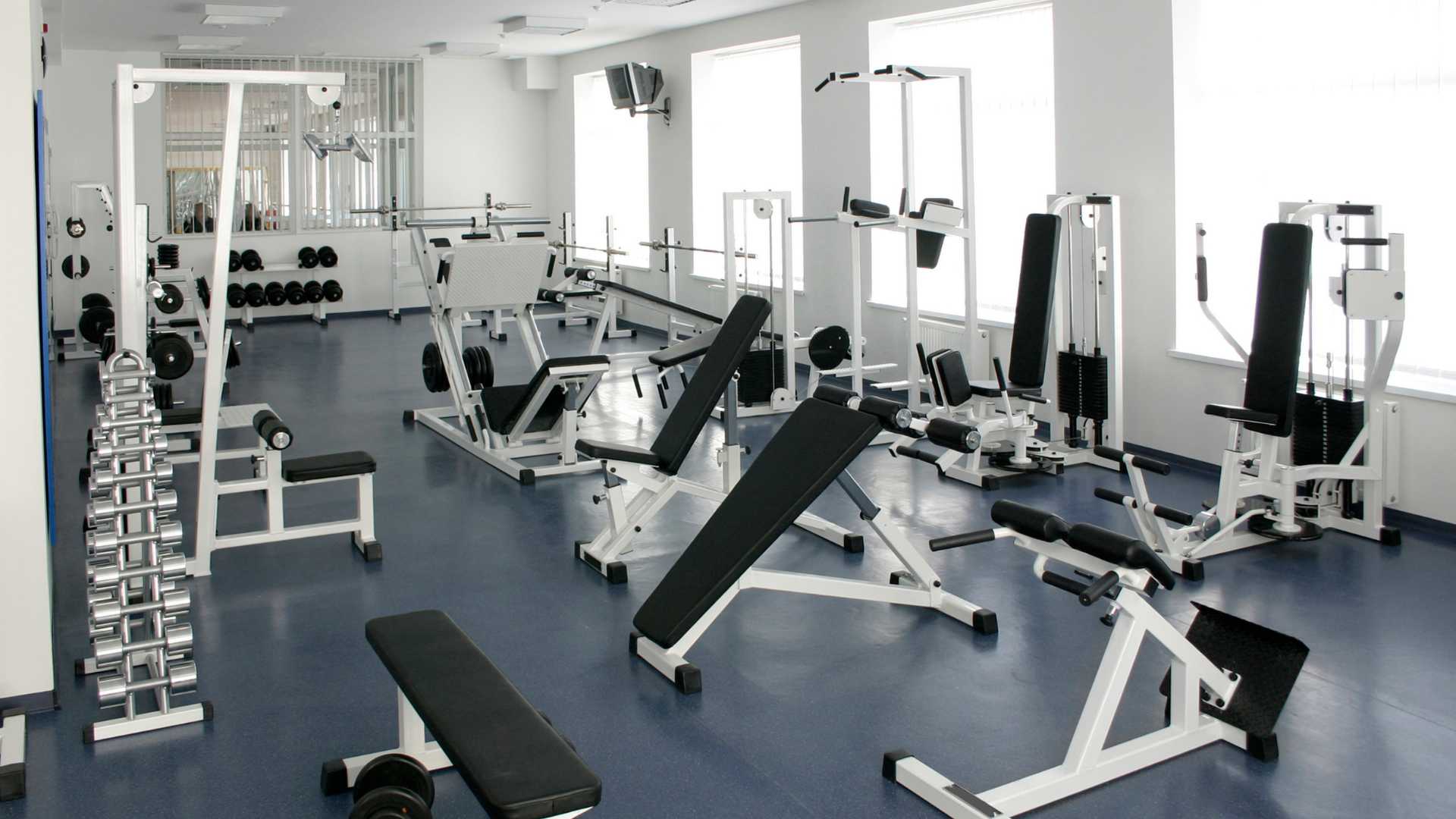
In the fast-paced environment of academic life, students often juggle lectures, assignments, and social obligations. While many focus on study techniques, few realize that cultivating self-discipline outside the classroom can significantly impact academic success. Fitness, often seen as a separate part of life, is a powerful tool for building self-discipline that extends into your studies and professional development.
Self-discipline is the ability to regulate your behavior, resist short-term temptations, and stay committed to long-term goals. Fitness routines demand consistency, effort, and resilience. When you commit to a structured workout schedule, you learn to push through mental and physical barriers, which mirrors the challenges faced in academic endeavors. The mental habits developed in the gym, such as perseverance, focus, and delayed gratification, translate directly to study habits, exam preparation, and research projects.

One of the most overlooked ways to build self-discipline is through micro-habits. Instead of committing to an intense hour-long gym session every day, begin with short, manageable aerobic exercises like a 10-minute walk, a few push-ups, or stretching routines. Completing these micro-tasks daily fosters a sense of accomplishment, training your mind to follow through with commitments. Over time, these small wins build momentum, enhancing self-discipline not just in fitness, but in academic tasks like writing essays or completing assignments on time.

Many students struggle with sticking to both study schedules and fitness routines. A practical solution is to treat workouts like academic obligations. Schedule your exercise sessions at the same time each day and integrate them into your calendar. This approach strengthens self-discipline by reinforcing a consistent routine. Just as attending lectures regularly improves learning outcomes, adhering to a fitness schedule cultivates punctuality, time management, and the ability to prioritize long-term rewards over immediate comfort.

Physical exercise is often associated with cardiovascular health and muscle building, but its effects on the brain are profound and less discussed. Activities like running, yoga, and strength training enhance neural connections, improve memory retention, and increase cognitive flexibility. These neurological benefits support self-discipline by making it easier to resist distractions, maintain concentration, and approach complex academic tasks with a clear mind. When your brain is trained to focus during physical challenges, it naturally applies the same focus during study sessions.

Setting SMART goals in your fitness routine can cultivate self-discipline. For instance, aiming to run a specific distance, lift a certain weight, or master a new yoga pose requires planning, persistence, and adaptability. The process of achieving these goals mirrors academic challenges, such as completing a research project or preparing for a major exam. By breaking down goals into smaller milestones, students learn patience and structured effort, which are key elements of self-discipline that strengthen academic resilience.

Another innovative way to develop self-discipline through fitness is leveraging accountability partners. Working out with a friend or joining a fitness group adds social reinforcement, increasing the likelihood of sticking to your routine. This social dimension also encourages students to hold themselves accountable in other areas of life. When you commit to showing up for someone else, the practice strengthens your overall self-discipline, making it easier to meet deadlines, participate in group projects, and maintain consistent study habits.
Fitness routines offer an excellent opportunity for reflection and mindfulness, which are key factors in self-discipline development. Practices like meditation, cool-down stretches, or journaling after workouts allow you to evaluate your progress, recognize obstacles, and adjust strategies. Reflecting on your performance fosters self-awareness, helping you understand what motivates you, what challenges you, and how to sustain commitment. This reflective mindset extends to academics, enabling better time management, prioritization, and adaptive learning strategies.
A less commonly discussed technique for strengthening self-discipline is habit stacking, which can include simple deskercises like doing a quick set of squats or stretches every time you finish a study session. By linking these mini fitness habits to existing routines, you create a reinforcing loop where self-discipline in one domain strengthens it in another, gradually associating consistent action with both physical and academic achievement.
No journey in fitness or academics is without setbacks. Missed workouts, injuries, or lapses in study schedules are inevitable. However, true self-discipline is measured by your ability to return to your routine after disruption. Developing resilience through fitness teaches you to manage frustration, adapt to challenges, and maintain long-term focus. Students who cultivate this mindset are better equipped to handle academic stress, deadlines, and unexpected obstacles.
Fitness and nutrition are intertwined, and both significantly impact your ability to practice self-discipline. Eating balanced meals and managing energy levels reinforce physical performance, which in turn supports mental clarity. Students who maintain proper nutrition alongside a fitness regimen experience fewer energy crashes and improved concentration. The discipline required to plan meals, avoid unhealthy snacks, and stay hydrated complements the self-discipline necessary for sustained academic effort.
Building self-discipline is not only about pushing harder, it is also about knowing when to rest. Adequate sleep, scheduled recovery days, and mindful relaxation prevent burnout. Learning to respect your body’s limits mirrors the necessity of pacing academic workloads. Students who understand and apply this principle are more likely to maintain consistent study routines and high performance, demonstrating a mature form of self-discipline that balances effort with recovery.
Integrating fitness into academic life is more than just a physical endeavor, it is a strategic approach to cultivating self-discipline. By committing to consistent exercise, setting clear goals, leveraging social reinforcement, and reflecting on progress, students develop habits that enhance mental focus, resilience, and productivity. Over time, these practices do not just improve academic performance, they shape a mindset capable of thriving in professional and personal life. By consciously using fitness as a tool to build self-discipline, academic life becomes not just about grades, but about developing a foundation for lifelong success.