In the evolving world of academic inquiry, identifying research gaps is a crucial step toward innovation. Among the different types of research gaps; conceptual, methodological, knowledge-based, or data-related, one particularly overlooked but highly relevant type is the practical gap. While many studies offer strong theoretical contributions, not all succeed in translating their findings into effective, real-world applications.

A practical gap emerges precisely in this space: when there is a disconnect between what research suggests should happen and what actually occurs in practice. Understanding and addressing this gap is critical, not only for advancing academic work but also for ensuring that research outcomes improve policies, technologies, industries, and communities.
A practical gap in research refers to the mismatch between theoretical knowledge and its application in real-world contexts. Researchers may develop robust models, frameworks, or strategies, but these remain underutilized or fail when applied outside controlled environments.
This occurs because theoretical studies often assume ideal conditions that rarely exist in practice. Conversely, practitioners may face constraints such as financial, cultural, logistical, or institutional that researchers did not account for.
Several reasons contribute to the persistence of practical gaps in research:
To better illustrate this phenomenon, here are some less-discussed examples of practical gaps in different domains:

Artificial intelligence has made remarkable strides in predicting patient outcomes, diagnosing diseases, and even recommending treatment plans. However, a practical gap appears when hospitals cannot integrate these systems due to outdated IT infrastructure, data privacy laws, or lack of skilled staff. As a result, life-saving technologies remain largely academic.

Research provides countless strategies for sustainable urban planning, renewable energy, and biodiversity preservation. Yet, in developing countries, the practical gap is stark. Political instability, corruption, and limited financial resources prevent the implementation of well-documented adaptation policies, leaving communities vulnerable to floods, droughts, and rising sea levels.

Innovative building materials, such as self-healing concrete, are proven to extend the lifespan of structures and reduce costs in theory. But construction companies often face a practical gap due to supply chain limitations, high upfront costs, and resistance from regulators accustomed to traditional materials.

Scholars highlight the importance of digital literacy for future jobs, particularly in areas like artificial intelligence and cloud computing. Still, vocational training programs often lack the resources to teach beyond basic computer skills. The practical gap here widens the divide between what employers demand and what workers can deliver.
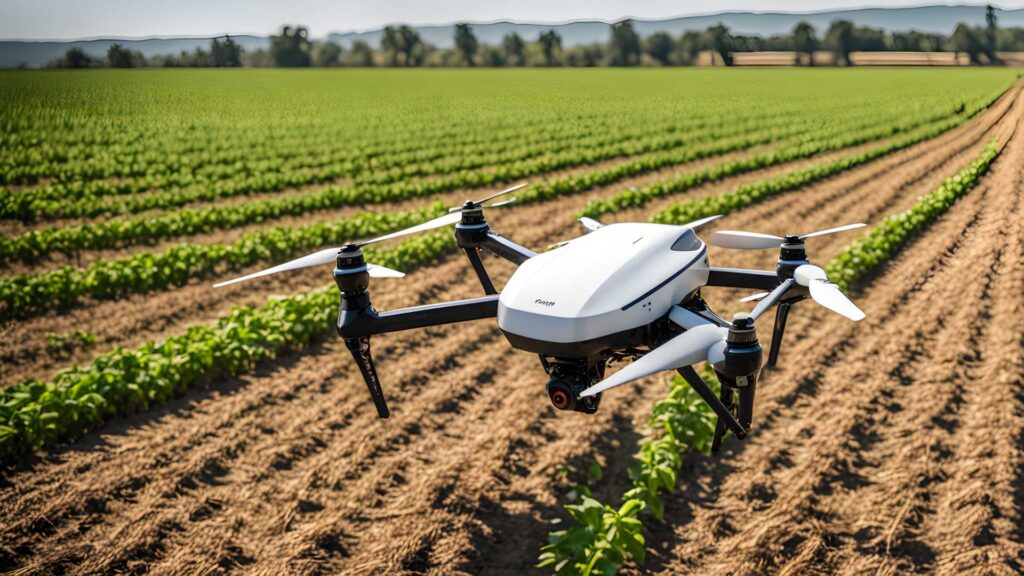
Precision agriculture, supported by drones and IoT sensors, promises higher yields and reduced waste. Yet small-scale farmers in rural regions face a practical gap because of high costs, lack of internet connectivity, and minimal technical knowledge, rendering these advancements inaccessible.
Leaving practical gaps unaddressed can have serious implications:
Addressing practical gaps requires more than identifying them. It demands systemic efforts to close the divide between theory and practice.
Rather than seeing practical gaps as failures, researchers should treat them as opportunities for meaningful innovation. These gaps highlight precisely where academic knowledge has not yet intersected with real-world needs. By reimagining research not as an end in itself but as part of a broader ecosystem of change, scholars can ensure their contributions matter beyond journal pages.
The practical gap is an often underexplored but deeply significant type of research gap. Unlike conceptual or methodological issues, it is not about missing knowledge but about the failure of existing knowledge to serve its ultimate purpose: real-world application. Whether in healthcare, education, agriculture, or climate change, practical gaps signal the unfinished work of research. Bridging them requires humility, collaboration, and creativity; qualities that ensure knowledge is not only created but also lived. By addressing these gaps, researchers can move closer to the true goal of scholarship: making a tangible difference in the world.